 By Galileo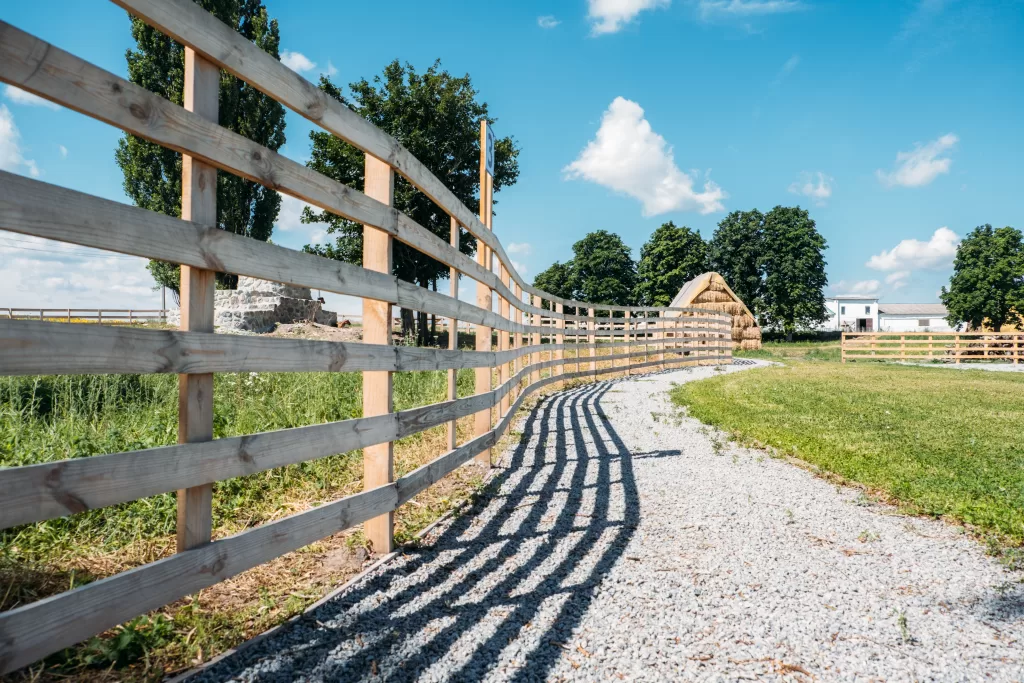
A wooden fence is one of the few home improvements that pays for itself in multiple ways at once. It adds privacy, defines property boundaries, improves curb appeal, and in many cases, raises resale value. According to the National Association of Realtors, outdoor improvements like fencing consistently rank among the projects with the strongest emotional and financial return for homeowners.
But getting a wooden fence right is more involved than most people expect. The wrong wood species, incorrect post depth, or poor drainage planning can turn a beautiful fence into a rotting eyesore within a few years. This guide covers what you actually need to know before installation begins, and what to look for when hiring a professional to handle it.
Aluminum and vinyl have grown in popularity, but wood remains the most versatile fencing material available. It works with nearly every architectural style, from a classic picket fence in a quiet suburban yard to a tall privacy fence enclosing an urban property. It is also the only material you can stain, paint, or leave natural and still achieve a cohesive look with the surrounding landscape.
There is also the question of customisation. Wood can be cut, shaped, and finished on site to accommodate slopes, irregular lot lines, and odd corner angles in ways that pre-manufactured materials simply cannot. For older homes with non-standard property dimensions, this flexibility is not just convenient. It is often necessary.
The trade-off is maintenance. Wood requires more attention than vinyl or aluminum over its lifespan, which is why material selection and initial installation quality matter so much upfront.
Not all lumber performs the same outdoors. The species you choose will largely determine how long your fence lasts and how much maintenance it demands.
Cedar is the most widely recommended option for residential fencing in the Midwest and Great Lakes region. It contains natural oils that resist moisture absorption, warping, and insect damage. A properly installed cedar fence can last 15 to 20 years with regular sealing and minimal repairs.
Pressure-treated pine is a cost-effective alternative, particularly for structural components like posts. The treatment process forces preservatives into the wood fibres, making it resistant to rot and termites even when in direct ground contact. Many contractors use pressure-treated posts as a standard baseline, even when the fence boards themselves are cedar.
Redwood offers similar natural resistance to cedar but is generally harder to source in the central and eastern United States. When available, it is excellent for high-visibility areas where aesthetics are a priority.
Spruce and untreated pine are cheaper at the lumber yard, but they tend to degrade quickly when exposed to freeze-thaw cycles and seasonal moisture fluctuations common in Chicago and similar climates. They are best avoided for outdoor fencing unless the budget truly dictates otherwise and the owner accepts a shorter lifespan.
One often-overlooked factor: always check that any wood used for fence posts is rated for ground contact. Above-grade and below-grade ratings are not interchangeable, and using the wrong one is one of the most common mistakes in residential fence installations.
Understanding the installation sequence helps homeowners know what to expect and what questions to ask their contractor.
Property line confirmation comes first. Installing a fence even a few inches over a property boundary can result in legal disputes and costly removal. A survey or at minimum a review of the property plat should happen before a single post is set.
Layout and post placement follows. Posts are the structural backbone of any wooden fence. They are typically set in concrete at a depth of one third to one half of the post’s total length, which usually means 24 to 36 inches below grade depending on post height and local frost depth. In Chicago, where the frost line sits around 42 inches, deeper setting is often advisable to prevent heaving during hard winters.
Panel or board installation comes next. Whether the fence is built from prefabricated panels or constructed board by board, the horizontal rails connecting the posts need to be level and well-fastened. Warped or improperly attached rails will cause boards to shift and bow over time.
Finishing and sealing is the step most homeowners skip or delay, but it is critical. A quality exterior sealant or stain applied to bare wood immediately after installation creates a protective barrier that dramatically extends the fence’s lifespan. Waiting even a few weeks in wet conditions can allow the wood to absorb moisture and begin to check or split before the first coat goes on.
Even well-chosen materials fail early when installation decisions are rushed or corners are cut. A few patterns come up repeatedly.
Posts set without concrete footings rely purely on compacted soil for stability. This might hold in dry, stable ground, but in expansive clay soils common in many Chicago neighborhoods, posts will shift and lean within a few seasons.
Gaps between fence boards that are too small trap moisture and debris. Over time, this creates ideal conditions for rot and mould growth at contact points. Standard board spacing of a quarter to half an inch allows airflow while still providing effective privacy.
Using galvanised or stainless fasteners matters more than most people realise. Standard steel screws and nails corrode quickly in outdoor conditions, leaving rust stains on the wood and weakening the joints. It is a small cost difference that pays off significantly over time.
Finally, grading around the fence base is often ignored. Soil or mulch piled against the base of the boards accelerates rot at the most vulnerable point of the fence. The bottom of any wooden fence board should sit at least two inches above grade.
The contractor selection process deserves as much attention as the material choices. A few things to prioritise:
Licensing, bonding, and insurance are baseline requirements, not optional extras. Unlicensed contractors may offer lower initial quotes, but any damage to utilities, neighbouring property, or your own structure becomes your liability if something goes wrong. Always ask to see current documentation before work begins.
Experience with local conditions matters significantly. A contractor familiar with Chicago’s frost depth, soil composition, and building permit requirements will make fewer costly errors than one working outside their usual service area.
Look for contractors who can handle both fabrication and installation in-house. Custom cuts, non-standard panel widths, and terrain accommodations are all easier and more precise when the same team does both. If a contractor is ordering generic panels and simply assembling them on site, complex lot shapes or sloped terrain can result in visible gaps, misaligned panels, and a fence that never quite looks finished.
For homeowners in Chicago’s established neighbourhoods like Lincoln Park, Wicker Park, or Beverly, where lot lines are tight and property configurations vary, in-house fabrication capability is often the difference between a fence that fits beautifully and one that clearly does not. The team at Americana Iron Works & Fence has handled installations across Chicago’s most architecturally varied neighbourhoods for over 30 years, which is the kind of local experience that shows in the final result.
Many homeowners are surprised to find that a permit is required to install a fence. In Chicago, permits are typically required for fences above a certain height, and the rules vary by zoning district. Installing without a permit can result in fines and, in some cases, mandatory removal.
HOA rules add another layer of consideration for properties within managed communities. Height limits, approved materials, and even colour restrictions are common. Getting written approval before installation begins protects you from having to modify or remove a completed fence later.
Your contractor should be familiar with local permitting requirements and ideally handle the permit application process on your behalf. If they are not, that is a meaningful signal about their experience level.
A well-installed wooden fence with proper maintenance can realistically last 20 years or more. The maintenance schedule does not have to be intensive, but it does need to be consistent.
Inspect the fence annually, ideally in spring after freeze-thaw cycles have done their work. Look for leaning posts, split boards, loose fasteners, and any areas where the sealant has worn through. Catching small issues early almost always costs less than waiting until they become structural problems.
Reapply sealant or stain every two to three years depending on sun exposure and weather. South-facing sections of a fence tend to degrade faster than shaded sections, so spot treatment is often enough in between full applications.
Trim any vegetation growing against or through the fence. Vines and overgrown shrubs hold moisture against the wood and create shadowed areas where drying cannot occur. They also physically stress boards and rails as they grow.
Style selection is where a lot of homeowners get stuck, usually because there are more options than they expect. The most common residential styles break down into a few clear categories.
Privacy fences with tight-set boards or tongue-and-groove panels provide maximum screening and are ideal for back yards, pools, and urban properties where adjacent buildings are close. Heights typically range from six to eight feet.
Picket fences remain the standard for front yards where the goal is definition rather than enclosure. Spacing and picket shape vary considerably, and the right choice depends heavily on the home’s architectural style. A craftsman or Victorian home calls for a different profile than a mid-century ranch.
Split rail fences work well for larger properties where marking a boundary is the priority rather than creating a physical barrier. They are low-maintenance and visually open, making them popular in semi-rural settings on Chicago’s outer edges.
Board-on-board designs use overlapping boards to create a privacy fence that still allows airflow, and they have the added advantage of looking identical from both sides. This is a popular choice in neighbourhoods where the fence is visible from a shared alley or a neighbour’s yard.
Connecting with a contractor who has experience across all these styles makes it easier to land on the right decision. Professionals who handle wooden fence installation regularly will typically walk you through options specific to your property layout and local building codes, which saves time and prevents regret after the fact.
- Wood species selection is one of the most important decisions in any fence project. Cedar and pressure-treated pine are the most reliable choices for Midwest climates, and post material should always be rated for ground contact.
- Post depth and concrete footings are non-negotiable structural requirements. In Chicago, shallow posts will not survive the freeze-thaw cycle.
- Permits are required in many jurisdictions, including Chicago, and installing without one creates legal and financial risk.
- Contractor vetting should include verification of licensing, bonding, and insurance. In-house fabrication capability is a meaningful differentiator for complex or custom installations.
- Consistent maintenance, particularly annual inspection and periodic resealing, is the single biggest factor in extending a wooden fence’s lifespan.
How long does a wooden fence typically last? A well-installed cedar or pressure-treated pine fence maintained with regular sealing and annual inspections can last 15 to 20 years, and in some cases longer. Lifespan varies based on climate, drainage conditions around the fence base, and how consistently maintenance is performed.
Do I need a permit to install a wooden fence in Chicago? In most cases, yes. Chicago requires permits for fences that exceed certain height thresholds, and the specific requirements depend on your zoning district. A licensed contractor familiar with city regulations will know what applies to your property and can usually handle the permit application process.
Can a wooden fence be installed on a sloped yard? Yes, and there are two main approaches. A stepped installation follows the slope in a stair-step pattern, which works well with panel-based designs. A racked installation angles the fence to follow the grade continuously, which tends to look cleaner on gradual slopes. The right choice depends on the degree of slope and the fence style.
What is the best way to prevent rot at the base of a wooden fence? Keep the bottom of fence boards at least two inches above grade, avoid piling soil or mulch against the base, and ensure drainage moves away from the fence line rather than pooling along it. Using pressure-treated lumber for the bottom rail adds an extra layer of protection at the most vulnerable point.
How do I know if my fence needs repair or full replacement? If the posts are structurally sound and the majority of boards are in good condition, spot repairs are usually sufficient. If more than a third of the boards are damaged, multiple posts are leaning or rotted, or the rails have failed, replacement is typically more cost-effective than ongoing repairs.
A wooden fence done well is one of those projects that quietly improves daily life without demanding much attention afterward. Privacy, security, and a defined outdoor space all contribute to how usable and enjoyable a property feels, whether it is a narrow Chicago lot or a larger suburban yard.
The gap between a fence that lasts 20 years and one that deteriorates in five comes down to decisions made before installation even begins: material selection, post depth, fastener type, and who is doing the work. Taking those decisions seriously upfront saves money and frustration over the long run, and it results in a fence that genuinely enhances the property rather than becoming a maintenance burden.
If you are in the planning stage, getting a professional assessment of your specific lot conditions is a useful first step. A qualified contractor can flag drainage issues, soil conditions, and permit requirements before they become expensive problems mid-project.
 Charlotte