 By Charlotte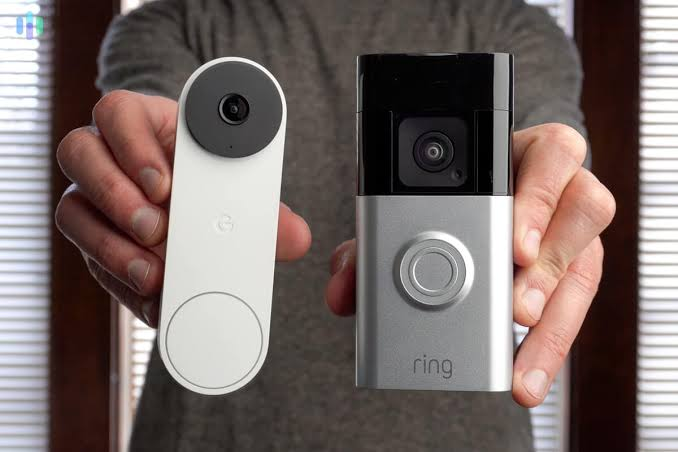
The front door is one of the most important security points of any home. Traditionally, homeowners relied on basic door viewers, locks, or security cameras placed around the property to monitor visitors. However, modern smart video doorbells have transformed how people protect their homes by combining real-time video monitoring, two-way communication, motion detection, and smart technology into a single compact device.
Smart video doorbells allow homeowners to see, hear, and communicate with visitors from almost anywhere using a smartphone or connected device. Whether someone arrives while you are at work, a delivery person leaves a package, or an unexpected visitor approaches your property, these systems provide greater awareness and control.
As homes become more connected, smart video doorbells are becoming an essential part of modern residential security systems. They provide convenience, improve safety, and help homeowners monitor activity around their entrances without needing to be physically present.
A smart video doorbell is a connected security device installed near the entrance of a home. It combines a camera, microphone, speaker, motion sensors, and wireless connectivity to create a complete visitor monitoring solution.
When someone approaches the door, the device can detect movement and send an instant notification to the homeowner’s smartphone. The user can then view live video, communicate through two-way audio, and decide how to respond.
A typical smart video doorbell system includes:
- High-definition camera
- Motion detection sensors
- Microphone and speaker
- Mobile application
- Wi-Fi connectivity
- Cloud or local video storage
- Night vision capability
Unlike traditional doorbells, these systems provide information about who is at the door before opening it.
Home security needs have changed significantly as families spend more time away from their properties. People want solutions that provide visibility and control even when they are not physically present.
Smart video doorbells address several common concerns:
- Monitoring visitors remotely
- Protecting delivered packages
- Checking suspicious activity
- Communicating without opening the door
- Recording important events
For busy homeowners, parents, and property owners, these devices provide an additional layer of protection beyond traditional locks and alarms.
Modern video doorbells offer a wide range of features designed to improve security and convenience.
One of the most important features is camera quality. High-resolution video allows homeowners to clearly identify visitors and observe activity near the entrance.
Advanced models may include:
- HD or ultra-HD video quality
- Wide-angle viewing
- Digital zoom
- Improved image processing
- HDR technology for better visibility
A wider viewing angle helps capture more of the doorway area, including packages placed near the entrance or activity around the surrounding space.
Remote monitoring is one of the biggest advantages of smart video doorbells. Users can check their front door from anywhere through a smartphone application.
For example:
- A homeowner at work can verify a delivery
- A traveler can monitor activity at home
- A parent can check who is approaching the house
This feature provides peace of mind because homeowners are not limited by their physical location.
Built-in microphones and speakers allow direct communication with visitors.
Two-way audio can be useful for:
- Giving instructions to delivery drivers
- Informing guests when you are unavailable
- Warning unwanted visitors
- Communicating with family members
Some advanced systems also include noise reduction technology to improve conversation quality.
Smart video doorbells use motion sensors to detect activity around the entrance.
When movement is detected, the system can send alerts to a connected smartphone.
Users can often customize:
- Detection zones
- Alert sensitivity
- Notification preferences
This reduces unnecessary alerts caused by passing vehicles, animals, or unrelated movement.
Security concerns do not disappear after sunset. Night vision allows video doorbells to continue monitoring entrances in low-light conditions.
Common technologies include:
- Infrared night vision
- Low-light image enhancement
- Color night vision in advanced models
This ensures homeowners can identify visitors and activity at any time of day.
Online shopping has increased the need for better package security. Smart video doorbells help homeowners monitor deliveries and reduce the risk of package theft.
Useful features include:
- Delivery notifications
- Package detection
- Recorded video evidence
- Remote communication with delivery personnel
Some systems can alert users when a package is placed within a specific area.
Choosing between wired and wireless models depends on installation preferences, existing electrical setup, and maintenance requirements.
| Feature | Wired Video Doorbell | Wireless Video Doorbell |
| Power Source | Existing electrical wiring | Rechargeable battery |
| Installation | More permanent | Easier installation |
| Maintenance | Low battery maintenance | Requires charging |
| Reliability | Consistent power supply | Flexible placement |
| Best For | New construction or upgrades | Rental homes and simple installations |
Both options can provide effective security when properly installed.
Smart video doorbells offer advantages that extend beyond basic visitor identification.
The presence of a visible camera can discourage unwanted activity around a property. Recorded footage can also provide valuable information if a security incident occurs.
These devices help homeowners:
- Monitor entry points
- Record suspicious activity
- Verify visitors
- Improve overall awareness
Smart doorbells eliminate the need to physically approach the door to know who is outside.
Homeowners can check visitors while:
- Cooking
- Working
- Traveling
- Relaxing in another room
This creates a more convenient daily experience.
Smart video doorbells allow homeowners to communicate before granting access.
This is especially useful for:
- Service providers
- Maintenance workers
- Guests
- Delivery personnel
The homeowner remains in control of who enters the property.
Many smart video doorbells can connect with other smart home devices.
Integration options may include:
- Smart locks
- Security cameras
- Smart lighting
- Voice assistants
- Home automation systems
For example, a homeowner may receive a doorbell alert and unlock a smart lock remotely for an authorized visitor.
Selecting the right video doorbell requires careful consideration of features, installation, and long-term usability.
A good camera should provide clear images and enough coverage around the entrance.
Consider:
- Video resolution
- Field of view
- Image quality in different lighting conditions
- Vertical viewing capability for packages
A camera with poor positioning may miss important activity even if the resolution is high.
Video storage is an important consideration. Different systems use different approaches.
Common options include:
Cloud storage allows remote access to recorded videos but may require a subscription.
Local storage saves recordings on a memory card or connected device and may reduce ongoing costs.
The best choice depends on privacy preferences and convenience requirements.
Since smart video doorbells record activity around homes, privacy should be considered carefully.
Homeowners should:
- Use strong passwords
- Enable security settings
- Update device software regularly
- Position cameras responsibly
Proper setup helps balance security benefits with privacy concerns.
Outdoor security devices must withstand changing weather conditions.
Look for:
- Weather-resistant construction
- Protection against dust and moisture
- Temperature tolerance suitable for your region
A durable device provides more reliable long-term performance.
Even advanced security devices may not perform effectively if installed incorrectly.
Installing the camera too high or too low can reduce visibility.
The ideal placement should capture:
- Visitor faces
- Doorstep area
- Entry pathway
Smart video doorbells depend on reliable internet connectivity. Weak Wi-Fi signals can cause:
- Delayed notifications
- Poor video quality
- Connection failures
A strong network connection near the entrance is important.
More features do not always mean better performance. Homeowners should select a system based on their actual security needs rather than unnecessary technology.
Regular maintenance improves reliability.
Recommended practices include:
- Cleaning the camera lens
- Checking battery levels
- Updating software
- Reviewing security settings
Although both technologies improve security, they serve different purposes.
| Feature | Smart Video Doorbell | Traditional Security Camera |
| Visitor Communication | Yes | Usually No |
| Door Activity Monitoring | Excellent | Good |
| Two-Way Audio | Common | Depends on Model |
| Installation Location | Entrance Focused | Multiple Locations |
| Visitor Identification | Primary Purpose | General Monitoring |
Many modern homes use both systems together for complete coverage.
Smart video doorbells continue to evolve with advances in artificial intelligence and home automation.
Future improvements may include:
- More accurate person recognition
- Better package detection
- Improved privacy controls
- Advanced automation features
- Stronger integration with smart homes
As technology improves, video doorbells are becoming more intelligent while remaining easier to use.
A smart video doorbell is a connected security device that allows homeowners to monitor visitors, view live video, and communicate remotely through a smartphone or smart device.
Most smart video doorbells require Wi-Fi for remote monitoring, notifications, and cloud features. Some may store recordings locally but still need connectivity for smart functions.
Yes, many wireless smart video doorbells are suitable for apartments. However, installation rules should be checked if you live in a rented property or shared building.
Smart video doorbells can improve security when properly configured. Using strong passwords, updated software, and secure network settings helps protect the system.
Battery life depends on usage, motion activity, weather conditions, and device settings. Some batteries may last several months before requiring charging.
Yes, many models include night vision technology that allows recording and monitoring in low-light conditions.
They can help reduce package theft by providing alerts, recording activity, and allowing homeowners to communicate with delivery personnel remotely.
Smart video doorbells have become an important component of modern home security by combining surveillance, communication, and convenience into one intelligent device. They allow homeowners to monitor entrances, respond to visitors remotely, and maintain better awareness of activity around their properties.
When choosing a smart video doorbell, consider camera quality, connectivity, storage options, privacy features, weather resistance, and compatibility with your existing smart home system. With the right setup, a smart video doorbell can provide reliable protection and greater confidence in everyday home security.