 By Charlotte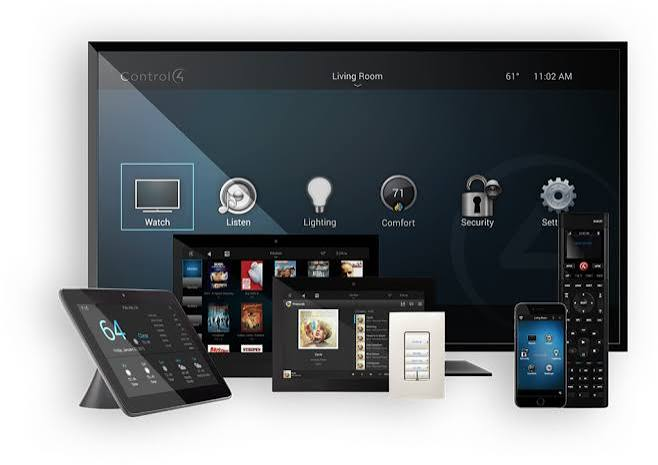
Modern homes are rapidly evolving with advanced technologies that improve comfort, convenience, security, and energy efficiency. Traditional household appliances that once operated manually are now becoming intelligent devices capable of connecting with smartphones, voice assistants, and automated home networks. This transformation has created a new generation of residential spaces known as smart homes.
Smart home appliance control systems for connected residential living allow homeowners to monitor, control, and automate different household devices through centralized digital platforms. From adjusting air conditioning settings and managing kitchen appliances to controlling lighting systems and monitoring energy consumption, smart control technology provides a more convenient and efficient way to manage everyday living.
These systems are becoming increasingly popular in modern apartments, luxury villas, and renovated homes because they combine automation with improved lifestyle management. By connecting appliances through wireless networks and intelligent controllers, homeowners can create personalized environments that match their comfort preferences and daily routines.
This article explores smart home appliance control systems, their components, benefits, applications, installation considerations, and future trends shaping connected residential living.
Smart home appliance control systems are integrated technologies that allow users to remotely operate and automate household devices.
Unlike traditional appliances that require manual operation, smart appliances can communicate through:
- Wi-Fi networks
- Bluetooth connections
- Smart hubs
- Mobile applications
- Voice assistants
- Home automation platforms
These systems enable homeowners to control appliances from anywhere using smartphones, tablets, or automated schedules.
Examples of smart appliance control include:
- Turning air conditioning on before arriving home
- Scheduling washing machine operations
- Adjusting refrigerator settings
- Monitoring energy usage
- Controlling kitchen appliances remotely
The increasing demand for convenience and energy efficiency has made smart appliance systems an important part of contemporary residential design.
Modern homeowners expect homes that can:
- Reduce daily effort
- Save energy
- Improve safety
- Provide personalized comfort
- Support sustainable living
Smart appliance control systems help achieve these goals by creating a connected environment where different devices work together intelligently.
A complete smart home appliance system consists of multiple technologies working together.
Smart appliances are the foundation of connected homes.
Examples include:
- Smart refrigerators
- Smart ovens
- Smart washing machines
- Smart air conditioners
- Smart televisions
- Smart dishwashers
These devices contain sensors and connectivity features that allow remote operation.
A smart hub acts as a central communication point between different devices.
It helps manage:
- Appliance connections
- Automation settings
- Device communication
Popular systems allow multiple brands of smart devices to work together through one platform.
Smartphone applications provide convenient control over household appliances.
Users can:
- Turn devices on or off
- Adjust settings
- Receive notifications
- Monitor performance
Mobile control allows homeowners to manage their homes even when they are away.
Voice assistants allow hands-free operation of connected devices.
Common commands include:
- Adjusting room temperature
- Turning lights on
- Starting appliances
- Checking device status
Voice control improves accessibility and convenience.
Sensors collect information about home conditions.
Common sensors include:
- Temperature sensors
- Motion sensors
- Energy monitoring sensors
- Humidity sensors
These help systems make automatic decisions.
Modern kitchens are becoming highly automated with connected appliances.
Examples include:
Smart refrigerators can provide:
- Temperature monitoring
- Food management alerts
- Energy optimization
Connected ovens allow homeowners to:
- Preheat remotely
- Monitor cooking progress
- Adjust cooking settings
These can prepare beverages automatically according to user preferences.
Heating and cooling systems are among the most important smart home applications.
Smart climate systems include:
- Smart air conditioners
- Smart thermostats
- Automated ventilation systems
Benefits include:
- Better temperature control
- Lower energy consumption
- Improved indoor comfort
Entertainment appliances can also be integrated into smart home networks.
Examples:
- Smart televisions
- Wireless speakers
- Streaming devices
Users can control entertainment systems through apps or voice commands.
Smart washing machines and dryers provide advanced features such as:
- Remote monitoring
- Cycle notifications
- Energy optimization
- Automatic scheduling
These systems improve household efficiency.
Smart lighting can work together with appliances to create customized home environments.
Examples:
- Lights dimming when a movie starts
- Appliances switching off during energy-saving modes
- Automatic nighttime settings
The biggest advantage of smart appliances is increased convenience.
Homeowners can control multiple devices without physically operating each appliance.
Examples include:
- Starting laundry remotely
- Adjusting temperature before arriving home
- Turning devices off after leaving
Smart systems help reduce unnecessary energy consumption.
They achieve this through:
- Automatic scheduling
- Energy monitoring
- Intelligent power management
This can help lower electricity expenses.
Connected appliances can improve residential security.
Examples:
- Receiving alerts when unusual activity occurs
- Monitoring appliances remotely
- Automatically switching lights on when away
Smart systems allow homeowners to customize their environment according to personal preferences.
Examples:
- Morning routines
- Evening relaxation settings
- Automated comfort adjustments
One of the biggest advantages is the ability to control appliances from anywhere.
Homeowners can check:
- Appliance status
- Energy usage
- Safety alerts
through mobile applications.
Smart monitoring can identify potential issues before major failures occur.
Early warnings help with:
- Maintenance planning
- Preventing damage
- Reducing repair costs
| System Type | Main Function | Key Benefit |
|---|---|---|
| Smart Kitchen Systems | Appliance automation | Better cooking efficiency |
| Smart Climate Control | Temperature management | Energy savings |
| Smart Entertainment Systems | Media control | Convenience |
| Smart Laundry Systems | Washing automation | Time savings |
| Smart Lighting Integration | Automated environments | Comfort and efficiency |
Before purchasing smart devices, homeowners should ensure compatibility between:
- Appliances
- Mobile applications
- Smart hubs
- Existing home networks
Smart systems require reliable internet connections for remote features.
Important considerations include:
- Wi-Fi coverage
- Network stability
- Router capacity
Connected devices should use strong security measures.
Recommended practices include:
- Secure passwords
- Updated software
- Trusted device manufacturers
Smart home upgrades can range from affordable individual devices to complete automation systems.
Homeowners should decide whether they need:
- Basic smart controls
- Partial automation
- Complete home integration
A good smart system should be simple enough for all family members to operate.
A professional installation usually involves several stages.
Experts evaluate:
- Existing appliances
- Electrical systems
- Network availability
The automation design is created according to homeowner requirements.
Smart appliances, controllers, and sensors are installed.
Devices are connected through:
- Wi-Fi
- Smart hubs
- Automation platforms
The system is tested and customized according to user preferences.
Different brands may not always work together smoothly.
Poor connectivity can affect system performance.
Unprotected devices may create cybersecurity concerns.
Smart systems often require greater upfront investment compared to traditional appliances.
Software updates and occasional troubleshooting may be required.
Future smart homes will use AI to understand user habits and automatically adjust settings.
Examples:
- Learning preferred temperatures
- Predicting appliance usage
- Creating personalized routines
Voice technology will continue improving, making home control more natural and accessible.
Future systems will focus heavily on:
- Solar integration
- Battery management
- Smart energy optimization
The Internet of Things will allow more devices to communicate with each other automatically.
Smart appliances will increasingly identify problems before failures occur.
It is a technology that allows homeowners to remotely control and automate household appliances through digital platforms.
Yes. They provide convenience, energy savings, and improved control over household systems.
Yes. Smart devices optimize energy usage through automation and monitoring.
Most remote-control features require internet connectivity, although some local automation can work without it.
With proper security practices, smart appliances can be safely used in residential environments.
Some traditional appliances can be upgraded using smart plugs, controllers, or automation devices.
Smart home appliance control systems are transforming modern residential living by bringing automation, convenience, and efficiency into everyday environments. These technologies allow homeowners to manage appliances intelligently while reducing energy consumption and improving comfort.
From smart kitchens and climate systems to connected entertainment and automated laundry solutions, smart appliance technology offers endless possibilities for creating efficient and future-ready homes.
As artificial intelligence, IoT connectivity, and energy management technologies continue to advance, smart homes will become even more personalized, sustainable, and responsive to the needs of modern families.