 By Spero Agency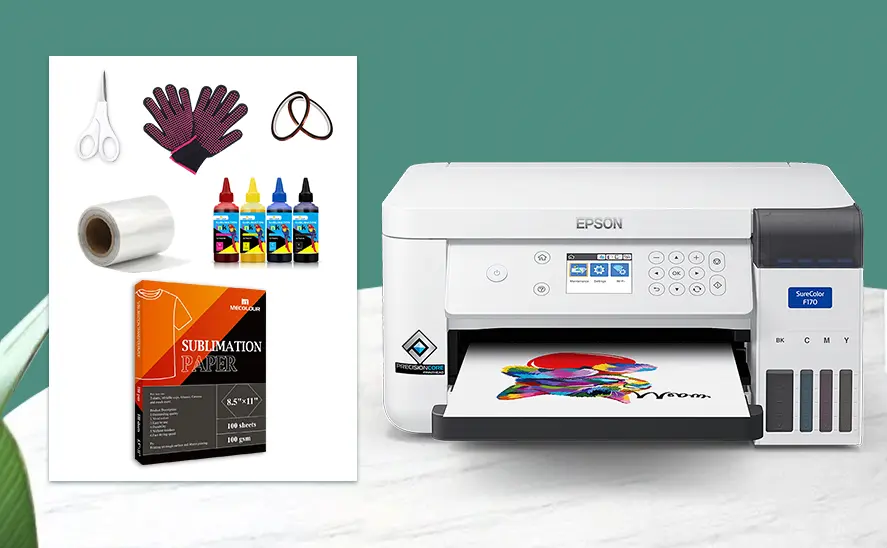
Businesses looking to make their products stand out often find themselves choosing between two very different finishing approaches: the reflective, metallic shine of foil stamping, or the full-color, photo-realistic printing made possible by sublimation. Both techniques have carved out dedicated followings across packaging, promotional products, and personalized merchandise, which is why buyers researching Hot Stamping Materials frequently end up comparing notes with those exploring Sublimation Printers for a completely different kind of finish.
Hot Stamping Materials refer to the foils, films, and heated tooling used to transfer metallic, pigmented, or holographic designs onto a surface through heat and pressure. This includes not just the foil itself but also the dies, heating plates, and release layers that determine how cleanly a design transfers onto paper, leather, plastic, or fabric. The quality of these materials directly affects the final result, cheap or mismatched foil often leads to patchy coverage, poor adhesion, or a finish that looks dull rather than premium.
Manufacturers working with hot stamping materials typically need to consider substrate compatibility carefully. A foil that performs beautifully on coated cardstock might behave completely differently on PVC or leather, which is why testing small batches before committing to full production runs remains standard practice among experienced print and packaging businesses.
While hot stamping focuses on metallic accents and highlights, Sublimation Printers solve an entirely different challenge: printing full-color, photographic-quality designs directly into the fibers of polyester fabric, mugs, phone cases, and other coated substrates. Unlike traditional printing, sublimation uses heat to turn solid dye into gas, which then permanently bonds with the material at a molecular level, resulting in vibrant colors that won’t crack, peel, or fade with washing or handling.
This makes sublimation printers especially popular in the personalized apparel, promotional products, and soft signage industries, where full-color designs, gradients, and photographic images need to be reproduced accurately and durably. Businesses producing custom sportswear, branded merchandise, or personalized gifts frequently rely on sublimation printers precisely because the finished design becomes part of the material itself rather than sitting on top of it.
It’s not uncommon for a single business to need both technologies for different parts of their product line. A promotional products company might use Hot Stamping Materials to add a metallic logo to a leather notebook cover, while relying on sublimation printing for a full-color, photo-quality design on a companion mug or fabric item. Sourcing both technologies from a single, knowledgeable supplier helps businesses maintain consistent quality standards across very different finishing processes.
For manufacturers looking to invest in reliable finishing equipment across multiple techniques, AM.CO.ZA offers a wide selection of machinery designed to support businesses working in packaging, promotional products, and personalized merchandise production.
Whether a business needs the reflective precision that comes from quality Hot Stamping Materials, or the vibrant, long-lasting color reproduction offered by modern Sublimation Printers, both technologies serve distinct but equally valuable roles in product decoration. Understanding the strengths of each allows manufacturers to choose the right process for every product in their lineup, rather than forcing a single technique to do more than it’s designed for.
 Galileo