 By Galileo
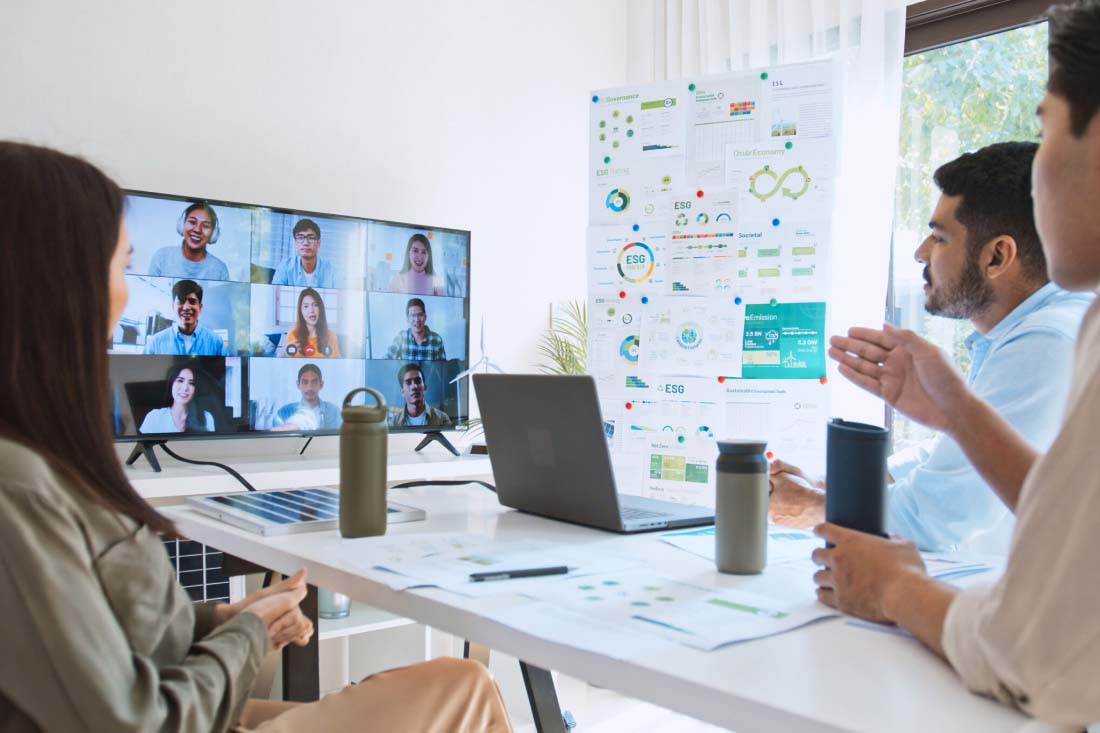
The modern workplace is no longer limited to traditional offices. Businesses increasingly operate through hybrid arrangements, remote teams, and employees working from different locations. While these arrangements provide flexibility and access to a wider talent pool, they also introduce new challenges for managers who need to coordinate tasks, evaluate performance, and maintain accountability.
In an office environment, supervisors can communicate with employees directly and observe everyday workflows. However, managing a distributed workforce requires a different approach. Managers need reliable ways to understand project progress, identify operational difficulties, and ensure that employees have the resources to complete their responsibilities.
Digital workforce management tools are becoming increasingly important in this environment. When implemented responsibly, employee monitoring solutions can help organisations improve visibility, support productivity, and make better management decisions without creating an unnecessarily restrictive working culture.
Traditional employee supervision often depended on physical presence, scheduled meetings, and direct observation. Managers could easily communicate with team members, review completed work, and identify problems through everyday interactions.
Remote working changes these dynamics. Employees may work from home, shared offices, or different geographical locations. Teams can also operate across multiple time zones, making constant supervision impractical.
As a result, companies need management systems that focus on measurable responsibilities rather than physical presence.
Clear project deadlines, task assignments, communication channels, and performance expectations help employees understand what is required from them. Digital monitoring tools can provide additional information about work patterns and operational activities, helping managers identify areas that may need attention.
The objective should not be to watch every employee continuously. Instead, businesses should use appropriate information to improve workflows and support better outcomes.
Employee monitoring involves using technology and organisational processes to understand workplace activities, system usage, productivity patterns, and task progress.
Depending on the platform and configuration, monitoring tools may provide features such as time tracking, application usage reports, website activity summaries, attendance records, and productivity dashboards.
For companies operating in Singapore, employee monitoring software Singapore can support workforce management by giving managers a clearer overview of business operations and employee work patterns.
Different organisations require different monitoring capabilities. A customer support department may need to understand response times and service availability, while a software development team may focus more on project milestones, task completion, and collaboration.
Selecting software based on actual operational requirements is therefore more effective than purchasing a platform simply because it offers the largest number of tracking features.
One of the biggest challenges of remote workforce management is finding the right balance between accountability and employee independence.
Excessive supervision can damage trust, create unnecessary pressure, and reduce employee satisfaction. On the other hand, a complete lack of visibility may make it difficult to identify missed deadlines, workload problems, and communication gaps.
Remote employee management should begin with clearly defined responsibilities and realistic performance expectations.
Managers can establish weekly targets, assign measurable tasks, and schedule regular progress discussions. Monitoring software may then provide supporting information about how work is progressing.
For example, if a project consistently falls behind schedule, managers can review task assignments, workload distribution, and potential technical obstacles. The solution may involve additional training, improved processes, or better resource allocation rather than simply increasing employee monitoring.
A supportive management approach focuses on solving problems instead of automatically treating unusual activity as evidence of poor performance.
Remote workforce management platforms help businesses coordinate employees who are not physically present in the same workplace.
Using remote employee monitoring software can give organisations access to selected productivity information, depending on the features and permissions configured within the platform.
Common capabilities may include:
Time tracking: Employees can record working hours or time spent on specific projects, supporting attendance management and resource planning.
Task monitoring: Managers can review assigned responsibilities, completion status, and project deadlines.
Application activity: Some platforms provide information about which applications are being used during designated working periods.
Productivity reporting: Dashboards can help managers identify broad work patterns and compare operational performance against established objectives.
Attendance management: Digital records can simplify scheduling, availability tracking, and administrative processes.
These features should be selected carefully. Not every business needs detailed activity tracking, and collecting unnecessary information can create privacy concerns without improving productivity.
Introducing employee monitoring without proper communication can create confusion and resistance.
Employees should understand why monitoring is being introduced, what information may be collected, how it will be used, and who can access it.
Businesses should establish written policies that explain monitoring practices in straightforward language.
These policies should address:
- The business purpose behind monitoring.
- Which devices, applications, or activities are covered.
- What information is collected and for how long.
- Who is authorised to access monitoring records.
- How employees can raise questions or concerns.
- How monitoring information may influence performance reviews.
Companies operating in Singapore should also consider applicable privacy and employment obligations, including relevant requirements under the Personal Data Protection Act (PDPA). Organisations should assess the legal basis and necessity of their data practices, provide appropriate transparency, and avoid collecting information beyond what is reasonably required for legitimate business purposes.
Where necessary, businesses should seek professional legal or data protection advice before implementing extensive monitoring arrangements.
The right monitoring platform should solve specific management problems rather than introduce additional complexity.
Before selecting software, companies should identify the difficulties they currently experience. These might include inaccurate timesheets, missed project deadlines, limited visibility into remote workflows, or inefficient resource allocation.
Once the main requirements are clear, businesses can compare available platforms according to functionality, security, usability, and integration options.
Important considerations include:
Ease of use: Employees and managers should be able to understand the platform without extensive technical training.
Reporting capabilities: Reports should present relevant information in a format that supports practical decisions.
Integration: The software should work effectively with existing project management, payroll, communication, or HR systems where required.
Data protection: Access controls, secure storage, and appropriate retention policies should be available.
Scalability: The platform should support the organisation as its workforce and operational requirements expand.
Transparent pricing: Businesses should understand subscription costs, user limits, additional features, and implementation expenses.
A trial or demonstration can help decision-makers evaluate whether the software is suitable before committing to a long-term agreement.
Monitoring activity alone does not necessarily reveal whether an employee is performing effectively.
For example, spending more hours on a computer does not automatically mean that someone is producing better work. Similarly, a low level of mouse or keyboard activity does not prove that an employee is unproductive. Some responsibilities involve reading, planning, meetings, research, and creative thinking.
Businesses should therefore combine monitoring information with meaningful performance indicators.
Depending on the role, these may include completed projects, customer satisfaction, service quality, error rates, response times, and achievement of agreed objectives.
Managers should also consider differences between departments and individual responsibilities. A customer service representative and a graphic designer cannot always be evaluated using identical productivity measurements.
Using relevant performance indicators provides a more balanced understanding of employee contributions.
Successful remote workforce management depends on more than software. It requires communication, fair policies, and a workplace culture where employees understand how their performance is evaluated.
Managers should explain monitoring decisions openly and provide employees with opportunities to discuss workload challenges.
Regular one-to-one meetings can help identify issues that automated reports may not reveal. Employees should also have access to clear feedback and realistic opportunities to improve their performance.
Monitoring data should be interpreted in context rather than treated as an unquestionable measure of productivity.
When organisations combine transparent monitoring with supportive leadership, technology can become a useful management resource rather than a source of workplace tension.
The transition from office-based supervision to remote workforce management requires businesses to rethink how they coordinate people and evaluate performance.
Digital monitoring platforms can provide useful information about working patterns, project progress, and operational efficiency. However, their value depends on selecting appropriate features, establishing transparent policies, and interpreting collected information responsibly.
For Singapore businesses, the strongest approach combines suitable technology with clear expectations, employee communication, and meaningful performance measurements.
Remote work does not require managers to abandon accountability. It requires them to build a more thoughtful system in which employees have the flexibility to work effectively while organisations maintain the visibility needed to manage their operations.
By focusing on trust, transparency, and measurable results, businesses can create distributed teams that remain productive, organised, and prepared for long-term growth.