 By Charlotte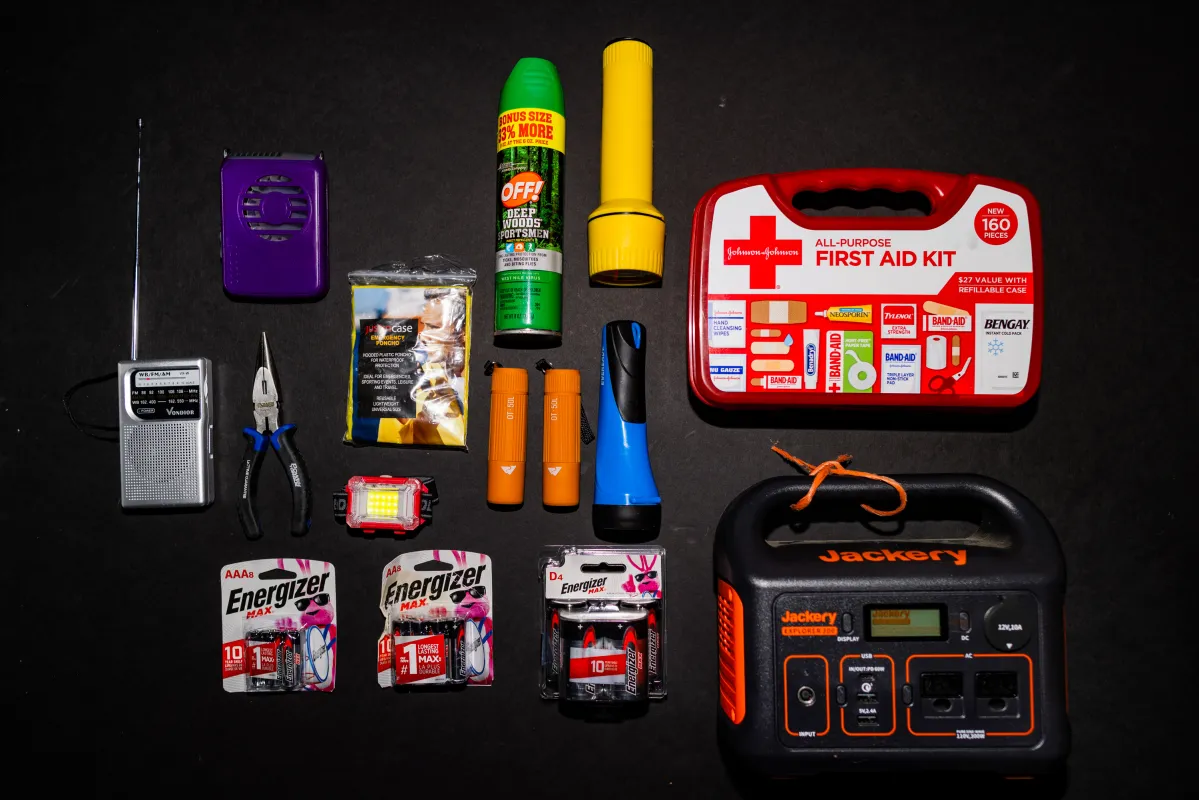
Emergency preparedness at home is becoming increasingly important due to rising cases of power failures, storms, floods, heatwaves, and other natural disasters. These situations can disrupt electricity, water supply, communication networks, and daily essentials without warning. When this happens, even a short outage can create discomfort, safety risks, and logistical challenges for families.
Having emergency survival upgrades ensures that your home remains functional and safe during such disruptions. These upgrades are not just for extreme disasters—they also help during everyday power cuts, voltage fluctuations, and infrastructure failures. By preparing in advance, you reduce dependency on external systems and increase your household’s resilience.
Power backup is the backbone of any emergency preparedness system. Without electricity, most modern household functions stop immediately, including lighting, communication, and appliance operation. That is why investing in backup systems is essential for survival readiness.
Solar power systems are one of the most practical long-term solutions. They store energy during the day and provide electricity during outages. Even a small solar setup can support essential devices like mobile phones, LED lights, and fans, making it highly useful during emergencies.
Inverter and battery systems are another reliable option. These systems automatically switch to backup power when electricity fails, ensuring continuous supply for important appliances. They are especially useful for homes that experience frequent power cuts.
Fuel-based generators provide higher power output and can run heavy appliances, but they require proper ventilation and fuel management. They are best suited for short-term but high-demand emergency situations.
Lighting becomes one of the most critical needs during a power outage, especially at night when visibility is reduced and safety risks increase. Without proper lighting, movement inside the home becomes difficult and potentially dangerous.
LED emergency lights are a simple but effective solution. They automatically activate when power goes out, providing immediate illumination without manual effort. Solar-powered garden lights are also useful as they charge during the day and light up outdoor areas at night, improving safety around walkways and entrances.
Battery-powered lanterns and flashlights remain essential tools for mobility inside the home. Keeping multiple light sources in different rooms ensures that you are never left in complete darkness during emergencies.
Water is one of the most critical survival resources, and disruptions in supply can quickly become a serious issue. During disasters or extended outages, access to clean drinking water may be limited or completely unavailable.
Installing large-capacity storage tanks ensures that households have a reserve supply of water available at all times. These tanks can be installed on rooftops or underground depending on space availability.
Gravity-based water filtration systems are highly valuable because they do not require electricity to function. They can provide clean drinking water even during complete power failure situations.
In addition, portable purification tablets offer an emergency solution when water quality is uncertain. They are compact, easy to store, and extremely useful during evacuation or travel situations.
Food availability can also become a challenge during emergencies, especially if transportation systems are affected. That is why maintaining a well-planned food storage system is essential for survival preparedness.
Non-perishable foods such as rice, lentils, canned goods, and dry fruits are ideal for emergency storage. These items have long shelf lives and provide essential nutrition during crises. Proper rotation of stored food ensures freshness and reduces waste.
Vacuum-sealed storage systems help extend food shelf life by reducing exposure to air and moisture. This method is particularly useful for long-term preparedness planning.
Manual kitchen tools such as hand grinders, can openers, and non-electric cooking tools are equally important. During power outages, these tools ensure that food preparation remains possible without relying on electricity.
Staying informed during emergencies is crucial for making safe decisions. Communication systems often fail during disasters, so having backup options is necessary.
Battery-powered emergency radios provide access to weather updates, disaster alerts, and important announcements even when mobile networks are down. They are simple but extremely reliable tools.
Power banks and solar chargers ensure that mobile phones remain functional during outages. Since smartphones are often the primary communication tool, keeping them charged is a top priority.
Offline maps and emergency apps that are downloaded in advance can also help during network failures. These tools allow access to navigation and safety information without internet connectivity.
Physical safety inside the home is just as important as having backup utilities. During disasters such as earthquakes, storms, or floods, structural preparedness can significantly reduce risks.
Heavy furniture should be secured to walls to prevent tipping during tremors. This reduces the risk of injury and damage during earthquakes or strong vibrations.
Fire safety systems such as smoke detectors and fire extinguishers are essential in every household. They provide early warnings and immediate response options during fire-related emergencies.
Storm-resistant windows and reinforced doors can protect homes from strong winds and flying debris. These upgrades improve structural resilience during severe weather conditions.
Energy efficiency plays a major role in emergency preparedness because it reduces the overall load on backup systems. When appliances consume less power, backup systems last longer during outages.
z=x−μσz = \frac{x – \mu}{\sigma}z=σx−μ
z=(1.2)−(0)1=1.2z=\frac{(1.2)-(0)}{1}=1.2z=1(1.2)−(0)=1.2
Φ(z)≈88.5%\Phi(z)\approx 88.5\%Φ(z)≈88.5%
xxx
μ\muμ
σ\sigmaσ
Efficient energy usage ensures that limited backup power is distributed more effectively across essential devices. This helps maintain longer operation times for lighting, communication, and critical appliances during emergencies.
Switching to LED lighting, using energy-efficient appliances, and avoiding unnecessary power consumption are simple but highly effective strategies for improving emergency readiness.
Emergency kits are essential because they provide immediate access to critical supplies during unexpected situations. These kits should be stored in an easily accessible location and regularly updated.
Basic emergency kits should include first aid supplies, flashlights, batteries, important documents, and portable chargers. These items cover immediate survival needs during the first hours of an emergency.
Advanced kits may include water purification tablets, emergency blankets, portable cooking stoves, and battery-operated fans. These additions help improve comfort and survival capability during extended disruptions.
Technology alone is not enough; proper planning is equally important. Families should have a clear emergency communication plan that includes contact numbers and meeting points.
Evacuation routes should be pre-decided for different scenarios such as fire, flood, or earthquake. Practicing emergency drills ensures that everyone knows how to respond quickly and safely.
Regular preparation exercises help reduce panic and improve coordination during real emergencies, making the response more effective.
Many households fail to prepare properly due to simple but critical mistakes. One common issue is relying only on electricity-based systems without backup alternatives. This creates vulnerability during complete power failures.
Another mistake is not testing backup systems regularly, which can lead to failures when they are needed most. Poor storage of food and water supplies also reduces effectiveness during emergencies.
Ignoring maintenance of generators, batteries, and emergency tools is another frequent problem. Regular checks ensure that all systems remain functional when required.
The most important upgrade is a reliable power backup system such as solar panels or an inverter, as electricity supports lighting, communication, and essential appliances during emergencies.
Emergency supplies should ideally last at least 3 to 7 days depending on household size and risk level in your area.
Yes, solar systems are highly effective because they generate renewable energy as long as sunlight is available, making them ideal for extended outages.
Water should be stored in clean, sealed containers or tanks and kept in a cool, shaded area to prevent contamination.
Emergency kits should be reviewed every 3 to 6 months to replace expired items and ensure everything is functional.
Emergency home survival upgrade ideas are essential for building a safe, resilient, and self-sufficient household. Power cuts and natural disasters can happen unexpectedly, but proper preparation ensures that their impact is minimized.
By investing in backup power systems, water storage, emergency lighting, food reserves, and safety planning, you create a home that can handle disruptions with confidence. Even small upgrades can make a significant difference when emergencies occur, turning uncertainty into preparedness and control.