 By Galileo
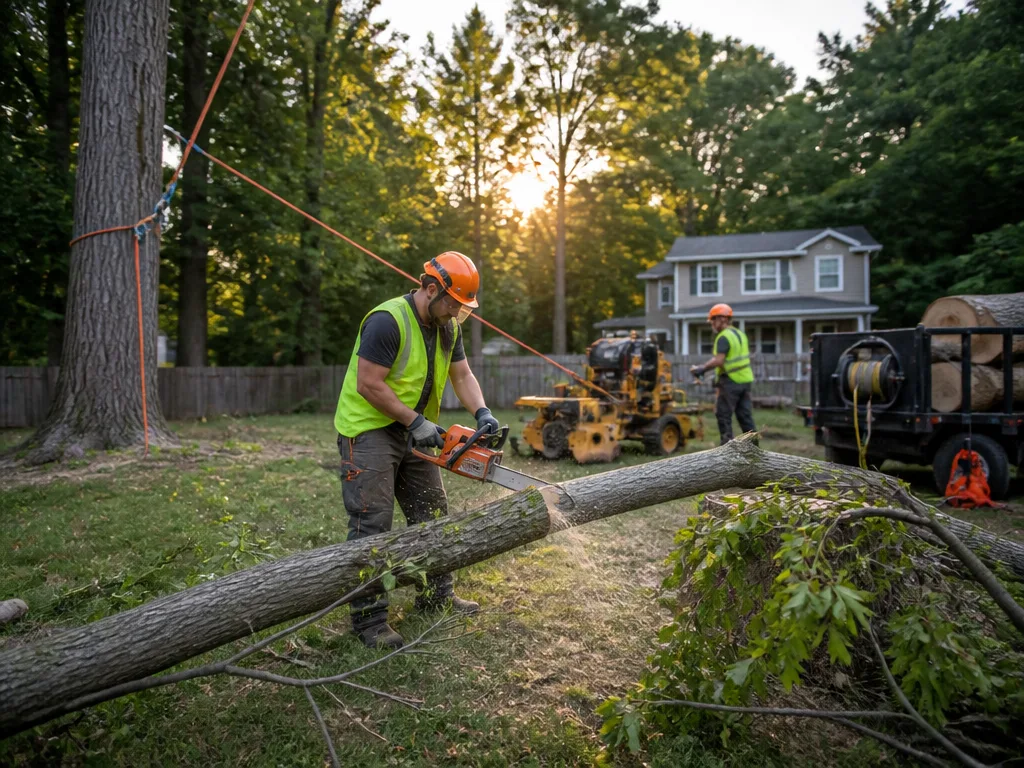
You might be feeling pulled in two directions right now. On one side, you are worried about an injured worker, medical bills, and lost time. On the other, you are staring at workers’ comp paperwork, safety rules, and insurance calls that never seem to end. If you’re looking for guidance on what to do next, click here. It may have started with a normal day on a job site in Virginia Beach, trimming branches or running a chipper, and within seconds everything changed.
When a landscaping or tree removal injury happens, the “before” and “after” is sharp. Before, you were focused on customers, schedules, and weather. After, you are focused on doctors, wages, and whether workers’ compensation will actually cover what it is supposed to. You may worry about your employee’s family, your own business cash flow, and whether you handled things “the right way.”
The short version is this. Most injured workers in Virginia have a right to workers’ compensation benefits. Landscaping and tree work are recognized as high risk. If you act quickly, document what happened, and understand the basics of Virginia law and OSHA safety rules, you can protect your employee and your business. A workers compensation lawyer can help when the claim is denied, delayed, or simply feels overwhelming.
Landscaping and tree removal injuries are often more severe than people expect. Your crews work around chainsaws, chippers, aerial lifts, ladders, stump grinders, and traffic. They climb, lift heavy loads, and work in heat, cold, and tight spaces. All it takes is a kickback from a saw, a dropped branch, or a misjudged cut for someone to end up in the hospital.
Because of this, the injuries you see are rarely minor. Think crushed hands, broken legs from falls, back injuries from lifting, or deep cuts that need surgery. There can also be hidden injuries like concussions or long term hearing loss from loud equipment. These are not “walk it off” situations, even if a tough worker tries to treat them that way.
So where does that leave you as a small business owner or crew leader in Virginia Beach. Emotionally, you may feel guilty, even if you followed the rules. Financially, you may worry about higher premiums, lost jobs, and replacing a key worker. Legally, you might be unsure what you are required to do or what you are allowed to ask your employee.
Under Virginia law, most employees who get hurt on the job are covered by workers’ compensation. That includes many Virginia landscaping and tree work injury claims. The Virginia Workers’ Compensation Commission explains what injured workers can expect in terms of wage loss and medical care, which you can review on the state’s official injured workers information page. Understanding those basics helps you support your employee without guessing or making promises you cannot keep.
Part of the stress comes from the mix of safety rules and legal obligations. OSHA has specific standards for landscaping and tree care work. For example, there are rules about personal protective equipment, machine guarding, and training, which you can see in OSHA’s landscaping safety standards. For tree care and removal, OSHA has separate inspection guidance that focuses on hazards like falling limbs, electrical lines, and aerial lifts, described in its tree care and removal operations guidance.
When an accident happens, you may fear that every past shortcut or rushed job will come back to haunt you. Maybe the crew skipped a tailgate safety talk that morning. Maybe the harness was older than it should have been. Even if the injury was a freak event, you may worry that an investigation will focus only on what went wrong, not on what you usually do right.
The financial pressure can be just as heavy. An injured worker may be out for weeks or months. You still need to finish jobs, calm anxious customers, and cover payroll. You might feel tempted to pay some costs out of pocket or push the worker to use personal health insurance. That can backfire. If the claim is mishandled, you could face disputes with your insurer, possible penalties, and more stress than if you had followed the workers’ comp process from the start.
This is where a workers comp attorney for landscaping and tree removal injuries can make a difference. The right lawyer understands the unique risks of tree work, the OSHA expectations, and the Virginia workers’ compensation system. That guidance can protect both your injured employee and your business.
Many small business owners start out thinking they can manage a claim on their own. Sometimes that works. Other times, a small misunderstanding at the beginning creates a big legal fight later. Comparing a “do it yourself” approach with working closely with your insurer and an experienced workers compensation lawyer can help you decide what makes sense.
| Approach | Short Term Impact | Long Term Risk | Best Fit For |
| Handle everything yourself | Faster decisions at first, less time on calls with others | Higher chance of missed deadlines, incomplete records, or disputes with the insurer or worker | Very simple, minor injuries with clear facts and quick recovery |
| Rely only on your workers’ comp insurer | Insurer guides basic reporting and medical approvals | Adjuster’s focus is on cost control, not necessarily on your relationship with the worker | Claims where everyone agrees on what happened and the worker recovers quickly |
| Involve a workers compensation lawyer early | More structured communication and better documentation from the start | Lower risk of legal surprises, better protection if the claim is denied or questioned | Serious injuries, disputed facts, or any case with long recovery and high costs |
For many Virginia Beach landscaping and tree removal businesses, the real question is not “Can I handle this alone” but “What happens if this goes wrong.” When an injury is serious, when there is talk of permanent restrictions, or when there is any hint of blame being tossed around, speaking with a workers compensation lawyer sooner rather than later can prevent months of worry.
In the middle of an injury crisis, it helps to focus on a few clear steps. You do not need to fix everything at once. You do need to act with care and document what you do.
1. Get immediate medical care and report the injury properly
Make sure your worker gets appropriate medical attention right away. For serious injuries, that means emergency care first, questions later. As soon as you can, report the injury to your workers’ comp insurer and follow the reporting rules that apply in Virginia. Encourage your employee to report the injury in writing and to keep copies of any medical notes or work restrictions. Clear, early reporting is one of the best ways to avoid disputes about what really happened.
2. Document the job site, equipment, and witness accounts
While events are fresh, write down what you know. Where was the worker standing. What task were they doing. What equipment was involved. Take photos of the area, including ladders, lifts, ropes, chippers, or chainsaws. If anyone saw the incident, ask them to describe it in their own words and keep those statements. This is not about blaming anyone. It is about having a clear record if the insurer, OSHA, or the Virginia Workers’ Compensation Commission asks questions later.
3. Talk with a workers’ comp lawyer before problems snowball
If the injury is serious, involves long term treatment, or raises any safety issues, schedule a consultation with a lawyer who understands Virginia workers’ comp for landscaping and tree removal. A short conversation can clarify your obligations, help you respond to adjuster requests, and guide you on how to handle return to work, light duty, and communication with the injured employee. That advice can pay off in less conflict and more trust on all sides.
Right now, it may feel like everything is stacked against you. You care about your crew, you care about your business, and you are trying to navigate a system that speaks in forms and codes instead of human language. That is a hard place to be, especially when the injury happened on your watch.
Even so, you are not stuck. By taking care of medical needs first, reporting the injury correctly, honoring your employee’s rights under Virginia law, and getting guidance when the situation is complex, you can move from panic to a workable plan. Workers’ compensation exists to handle exactly these moments. A steady approach, supported by a knowledgeable workers compensation lawyer when needed, can protect the injured worker’s future and your business at the same time.
You do not have to rush every decision today. Start with the next right step, document what you do, and reach out for experienced legal help if you sense the claim might turn into a fight. Over time, that careful approach can turn a frightening accident into a situation you managed with clarity and care.