 By Galileo
You sit in the dental chair, hear a treatment plan, and then your mind goes somewhere else. What is this filling made of? Will this crown bother your body? If you have allergies, autoimmune issues, chemical sensitivities, or you simply like to know what goes into your body, those questions do not come out of nowhere. They come from lived experience, and they deserve a straight answer from a dentist in Spring, TX.
That is why more people ask about biocompatible dental materials. They want restorations and dental work that do the job without creating extra worry. Most dental materials used today are considered safe for the general public, but that does not mean every patient feels the same level of comfort with every option. The real issue is not fear for the sake of fear. It is fit. It is tolerance. It is informed consent.
Some patients have a history that changes the conversation. Maybe you have had skin reactions to jewelry, unexplained irritation from certain products, or a medical condition that makes you more cautious. Maybe you are pregnant, caring for a child, or helping an older parent make treatment choices. In those moments, “safe for most people” can feel too broad.
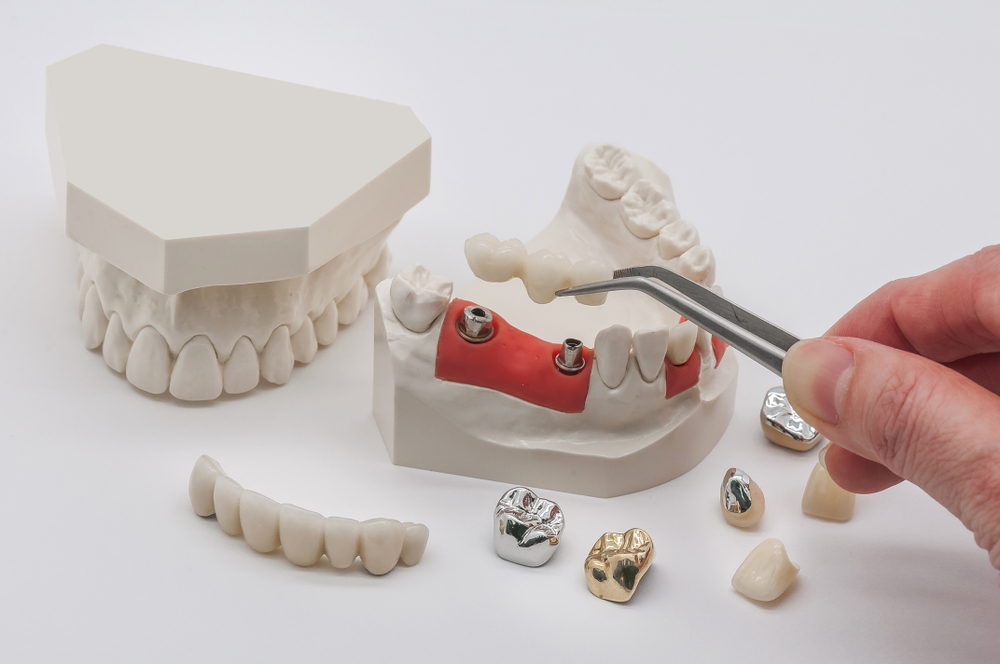
Dental materials vary in composition, strength, appearance, and cost. Fillings may be made from composite resin, glass ionomer, gold, or amalgam. Crowns may be porcelain, ceramic, zirconia, metal alloys, or a mix. Each material has tradeoffs. One may look natural but wear faster in certain cases. Another may last longer but raise concerns if you are sensitive to metals.
The concern many people mention first is amalgam. The FDA has published information for patients about dental amalgam fillings, including groups who may want to discuss alternatives with their dentist, such as pregnant people, children under six, and people with certain neurologic or kidney conditions. That does not mean amalgam is unsafe for everyone. It means individual risk matters.
This is where a general dentist who listens carefully can make a real difference. You need someone willing to talk through your medical history, your past reactions, and your treatment goals without brushing off your concerns or turning the visit into a sales pitch.
People hear “biocompatible” and assume it means one perfect material exists for everyone. That is not how dentistry works. Biocompatibility means a material is less likely to cause harm or an unwanted response when placed in the body. It does not mean zero risk, and it does not erase the need for proper placement, bite balance, and follow up care.
Research keeps moving because dental materials have to do a lot at once. They need to handle chewing pressure, temperature changes, moisture, and years of wear. The National Institute of Dental and Craniofacial Research outlines ongoing dental materials research focused on durability, safety, and better outcomes. That matters because a material can sound appealing on paper and still fail if it is not right for the tooth or the patient.
If you already feel unwell, even a small doubt can grow. You may wonder whether an old filling is causing symptoms, whether a new crown will trigger irritation, or whether replacing existing work is worth the cost and stress. Sometimes replacement is reasonable. Sometimes it exposes you to more drilling and expense without clear benefit. That is why blanket advice usually fails people in this space.
Non-toxic dental materials is a phrase patients often use, but the better question is which material is most suitable for your specific health history and dental needs. A front tooth, a back molar, and a tooth with a large crack do not all call for the same choice.
| Material | Common Use | Potential Benefits | Points to Discuss |
| Composite resin | Tooth colored fillings | Blends with natural teeth, mercury free, conservative placement | May wear faster in large back tooth fillings, technique sensitive |
| Glass ionomer | Small fillings, temporary work, some pediatric cases | Releases fluoride, useful in select low stress areas | Less durable than composite in heavy bite zones |
| Porcelain or ceramic | Crowns, inlays, onlays, veneers | Natural look, metal free option, stain resistant | Can chip in some cases, cost may be higher |
| Zirconia | Crowns and bridges | Strong, metal free appearance to many patients, good for high pressure areas | Esthetics and wear patterns vary by case |
| Amalgam | Back tooth fillings | Long track record, durable, often lower cost | Contains mercury in alloy form, some patients prefer alternatives |
For a broader evidence based overview, the NCBI Bookshelf chapter on dental restorative materials explains how these materials are selected and where they tend to perform best.
Step 1: Bring your health history to the appointment. Write down metal allergies, skin reactions, autoimmune conditions, kidney issues, neurologic diagnoses, current medications, and any past dental work that seemed to cause problems. Specific details help your dentist narrow the options faster.
Step 2: Ask for material specific recommendations. Do not settle for “this is what we always use.” Ask what material is being proposed, why it fits that tooth, how long it tends to last, and whether there is a metal free or lower reactivity alternative. If cost is part of the decision, ask that directly too.
Step 3: Avoid replacing existing dental work without a reason. If a filling or crown is stable and you have no clear clinical issue, replacement may not help and can remove healthy tooth structure. If you are concerned, ask for an exam, x rays if needed, and a risk based plan rather than a blanket removal approach.
You are not overreacting by asking what goes in your mouth. You are paying attention, and that is a good thing. The best path is usually not the most extreme one. It is the one built on your health history, the condition of the tooth, and a careful discussion of materials that match your needs.
If you are looking for a Holistic General Dentist, ask for a consultation focused on materials, sensitivities, and long term treatment planning. A calm, informed conversation can give you far more clarity than guesswork ever will.
 Engrnewswire