 By Galileo
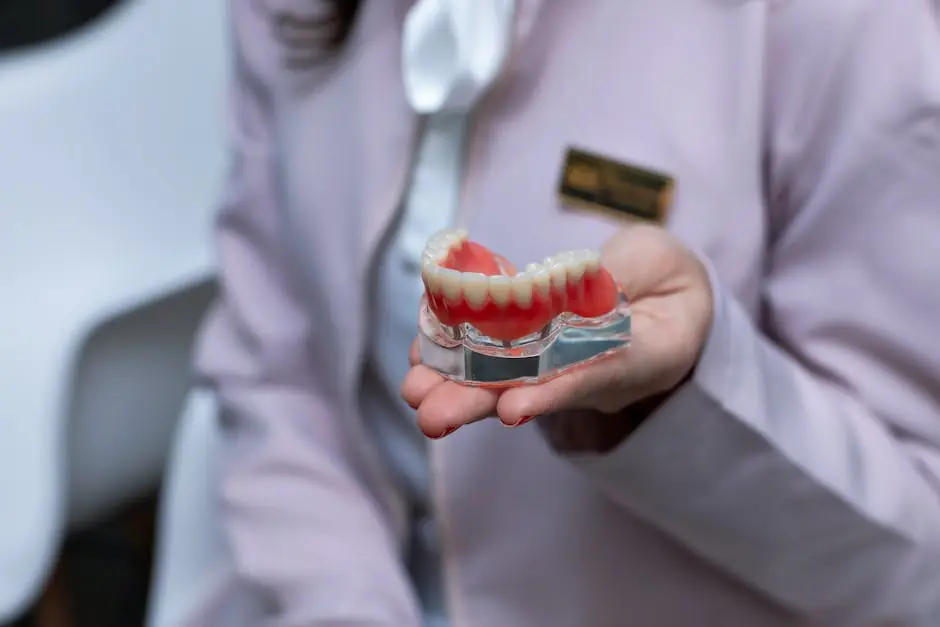
You notice it in photos first. A stain that did not used to be there, a chip on the edge of a front tooth, a small gap that suddenly feels much bigger when you smile. It can sound minor from the outside, but it does not feel minor when you are the one covering your mouth, smiling less, or putting off dental visits because you assume cosmetic work is out of reach. If you have been looking for a cosmetic dentist in Thomasville, NC, you may be closer to practical options than you think.
The good news is that many appearance based dental concerns do not require a specialist. A general and cosmetic dentist often performs the same treatments people ask about most, and these procedures are usually done right in a regular dental office. The four you will hear about most often are teeth whitening, dental bonding, veneers, and tooth colored crowns or fillings. Each one solves a different problem, and the right fit depends on what is bothering you, how long you want results to last, and how much tooth structure needs repair.
Most people are not looking for a dramatic makeover. They want one tooth to match the others, a stain to lift, or a worn edge to look normal again. That is where cosmetic dentistry procedures from a general dentist often make sense. These treatments are practical, familiar, and part of everyday dental care.
Teeth whitening is one of the most common requests. Surface stains from coffee, tea, red wine, and tobacco can build up slowly, so you may not notice the change until your smile looks dull. Professional whitening uses stronger, more controlled materials than store bought kits, which is one reason many people see better and more even results. MedlinePlus explains how tooth discoloration can happen, including staining from foods, age, injury, and certain medicines.
Dental bonding is another procedure general dentists perform often. A tooth colored resin is shaped onto the tooth to repair chips, close small gaps, improve shape, or cover discoloration. Bonding is popular because it is conservative. In many cases, little to no enamel has to be removed. If you have ever looked in the mirror and thought, “It is just a tiny flaw, but I see it every day,” bonding is usually the kind of fix people mean.
Veneers come up when the issue is more visible or more persistent. They are thin shells placed on the front of teeth to improve color, shape, size, or spacing. Veneers can be a strong option when whitening will not correct deep stains or when several front teeth need a more uniform appearance. They do require planning, and they are not the first answer for every patient, but they are not as out of reach as many people assume.
Tooth colored crowns and fillings sit at the line between health and appearance, which is why they matter so much. A tooth can be damaged, decayed, or cracked and still need to look natural, especially in visible areas. Modern smile enhancement treatments rely on dental materials designed to blend strength with appearance. The National Institute of Dental and Craniofacial Research outlines ongoing work in dental materials research, which helps explain why today’s restorations often look far better than older metal based options.
This is where people get stuck. They think cosmetic means optional, and optional means easy to postpone. Then a small chip starts catching on your lip, a worn tooth gets more sensitive, or a dark filling in a front tooth becomes the first thing you see when you talk. The issue stops being only cosmetic.
A chipped front tooth is a good example. You may only want it fixed because it bothers you in pictures. If the edge is rough, though, it can also affect comfort and wear. A discolored tooth may seem like a beauty concern, but if the color change came after trauma, the tooth may need evaluation beyond whitening. MedlinePlus notes that tooth injuries can affect appearance and health, which is why a dentist looks at the cause, not just the color.
Cost also weighs on people. Whitening is usually less expensive than veneers. Bonding often costs less upfront than crowns. At the same time, the lowest first price is not always the best long term value if the material is not right for the job. A back tooth with a large fracture may need strength more than a quick cosmetic patch. A front tooth with a tiny chip may not need a crown at all. The right treatment is the one that matches the damage, your goals, and your budget without overdoing the fix.
| Procedure | Best For | What It Changes | Typical Durability | Key Consideration |
|---|---|---|---|---|
| Professional Teeth Whitening | Surface stains and general yellowing | Brightens natural tooth color | Months to a few years, depending on habits | Will not change the color of crowns, fillings, or veneers |
| Dental Bonding | Small chips, gaps, uneven edges, minor discoloration | Reshapes and covers flaws with resin | Several years with good care | Can stain or chip more easily than porcelain |
| Veneers | Multiple front tooth concerns, deeper stains, shape issues | Creates a new front surface for the tooth | Often many years | Usually requires some enamel removal |
| Tooth Colored Crowns or Fillings | Decay, cracks, broken teeth, old visible dental work | Restores structure and natural appearance | Several years to over a decade, depending on restoration | Chosen based on how much healthy tooth remains |
Cosmetic dental procedures are not interchangeable. Whitening changes color. Bonding changes shape in a conservative way. Veneers create a more dramatic surface level change. Crowns and fillings restore teeth that need support as much as they need a better appearance.
1. Pinpoint what actually bothers you.
Be specific. Is it the shade of your teeth, one chipped tooth, old visible dental work, or spacing between front teeth? People often say they want a better smile when they really mean one narrow issue. That detail matters because the treatment for color is different from the treatment for shape or damage.
2. Ask for a treatment plan with options.
You do not need to walk into an appointment already knowing whether you want bonding, veneers, or whitening. Ask what the most conservative option is, what will last longer, and what changes are purely cosmetic versus medically useful. A good plan should explain tradeoffs in plain language.
3. Think in terms of maintenance, not just the day of treatment.
Whitening may need touch ups. Bonding may need polishing or repair over time. Veneers and crowns still require daily brushing, flossing, and regular exams. Cosmetic work lasts longer when the routine around it is strong.
If your smile has been bothering you, you do not need to jump straight to a major procedure. Many of the most common fixes come from a general dentist, and they are done every day for the same reasons you are thinking about them now. Start with a conversation about what you see, what you want to change, and what level of treatment makes sense for your teeth. A general and cosmetic dentist can help you choose a path that looks natural, protects your oral health, and feels worth it.
 MUNJAL BLOG