 By IQnewswire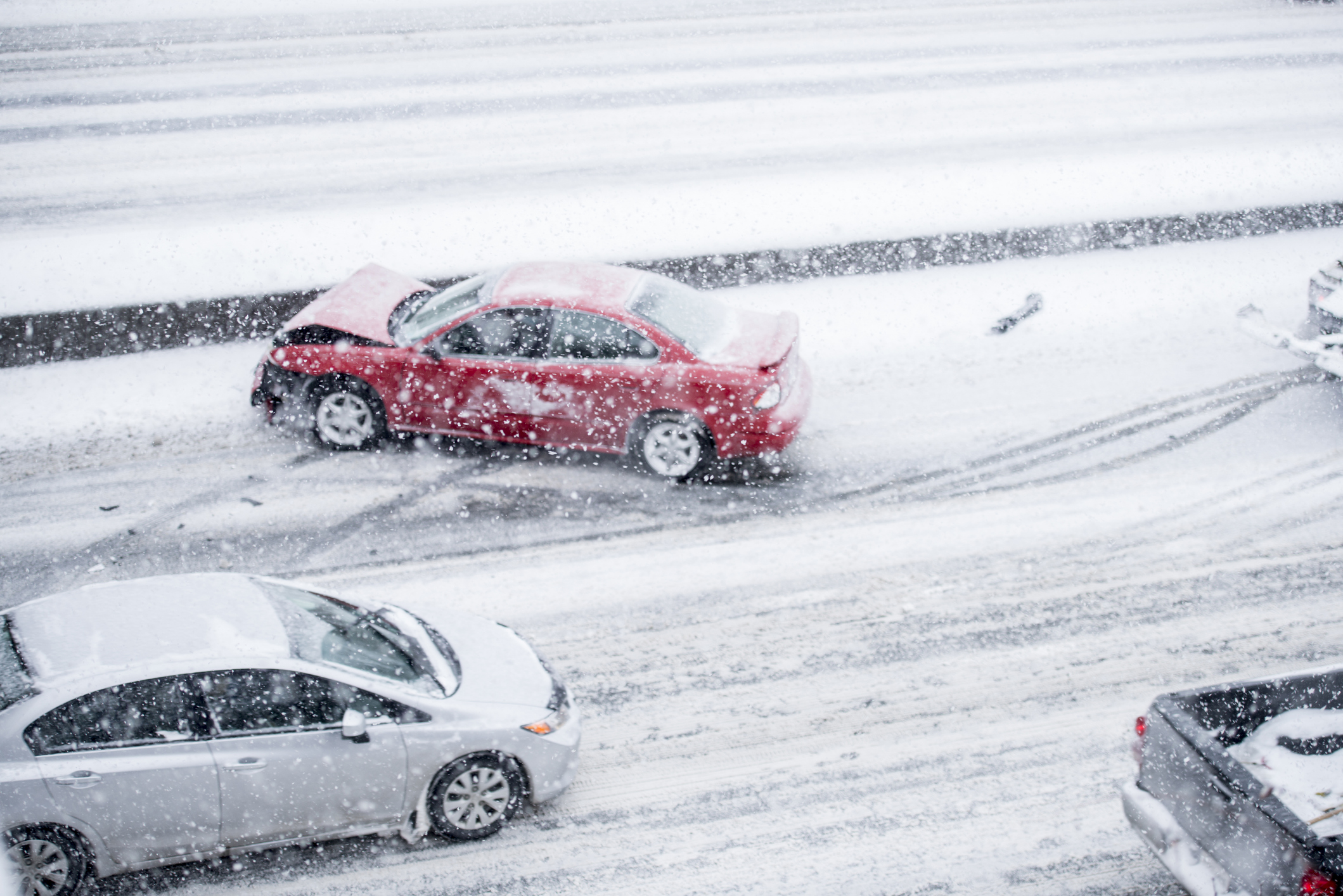
After a serious car accident in Fargo, drivers who caused the crash often point immediately to the road conditions. Black ice, blowing snow, unexpected drifts, and reduced visibility are the explanations that appear in police reports statements throughout the winter months. When a driver or their insurer frames a crash as an unavoidable consequence of North Dakota’s weather, they are reaching toward a specific legal doctrine called the sudden emergency defense. North Dakota courts recognize this doctrine, but they have defined it narrowly, and Fargo’s winter conditions almost never satisfy what it actually requires. Understanding the doctrine’s real limits is the starting point for any serious crash claim where the at-fault driver is blaming the weather.
The sudden emergency doctrine allows a driver to argue that they should not be held to the ordinary standard of reasonable care because they were confronted with a sudden and unexpected peril that left them no time for deliberate action. North Dakota courts applying the doctrine require that three conditions be met. The emergency must have been sudden and not of the driver’s own making. The driver must not have had sufficient time to deliberate before reacting. And the driver must have exercised the care that a reasonable person would have exercised under those emergency conditions. All three conditions must be satisfied. Meeting one or two is not enough.
The experienced Nicolet Law Fargo car accident lawyers evaluate the sudden emergency defense at the outset of every winter crash case, identifying the specific factual record that demonstrates the conditions do not meet the doctrine’s requirements before that defense can take hold in the claim file.
The most important word in the sudden emergency doctrine is sudden. A condition that is foreseeable is not sudden, and black ice on Fargo roads in January is foreseeable to every driver who has spent a winter in the Red River Valley. North Dakota courts have consistently held that weather conditions that are known to commonly exist in a region do not constitute the kind of sudden and unexpected emergency the doctrine was designed to address. A Fargo driver who loses control on black ice in February has encountered a hazard that is characteristic of driving in that city in that month, not a peril that no reasonable driver would have anticipated. The doctrine was designed for a deer that jumps into the roadway from a ditch, not for the ice that has been there since Tuesday.
Even in cases where road conditions were genuinely unexpected, the sudden emergency defense fails when the driver’s own conduct before the emergency created the conditions that made the crash inevitable. A driver traveling at highway speed on I-29 during an active snow advisory, following at a distance that would not allow stopping even on dry pavement, cannot invoke the sudden emergency doctrine when they rear-end a slower vehicle after encountering a drift. The speed choice and the following distance were both made before any emergency arose, and they were both unreasonable given the conditions the driver knew existed. The event data recorder in the at-fault vehicle captures the speed in the seconds before impact and whether the driver moderated that speed for the conditions they were operating in. That data frequently shows that the emergency, such as it was, was created by the driver’s own pre-impact choices.
North Dakota applies pure comparative fault under North Dakota Century Code Section 32-03.2-02. An injured driver recovers regardless of their own fault percentage, with the award reduced proportionally. When the at-fault driver raises the sudden emergency defense and it fails, their full share of fault remains in the verdict. When the defense partially succeeds, the jury may allocate some percentage of the cause to the road conditions themselves, which are not a party, and distribute the remaining fault between the two drivers. Understanding how the comparative fault allocation interacts with the sudden emergency argument is part of the trial strategy analysis in any serious Fargo winter crash case.
Three categories of evidence most effectively defeat the sudden emergency defense in Fargo crash cases. Road condition reports from the North Dakota Department of Transportation document when specific road segments were treated, plowed, or flagged as hazardous, establishing that the conditions were known and foreseeable. Weather data from the National Weather Service for the specific date and time establishes what any driver in the area should have anticipated. And the at-fault vehicle’s event data recorder establishes the driver’s speed and braking behavior before the crash, showing whether they were operating at a pace appropriate for the conditions they encountered. The North Dakota Department of Transportation’s road condition reporting system maintains real-time and historical condition records for I-29, I-94, and the Fargo area road network that are a standard evidence source in winter crash litigation.
 ZeeHQ
ZeeHQ  Galileo