 By Galileo
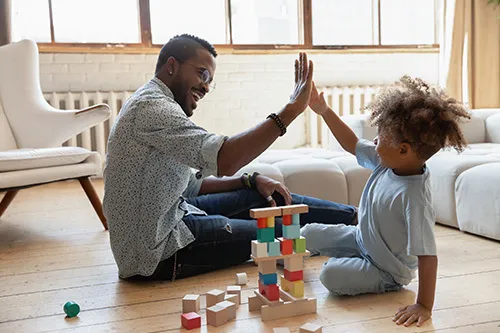
Every parent wants to see their child grow up happy, confident, and resilient. Yet life has a way of throwing challenges at kids that they simply don’t have the tools to handle alone—a messy divorce, a tough transition to a new school, the sting of being bullied, or the quiet weight of anxiety that no one else notices. When these struggles pile up, children often can’t put their feelings into words. Instead, those emotions show up as tantrums, withdrawal, trouble sleeping, or a sudden drop in grades.
This is where professional support steps in to make a real difference. Rather than waiting for problems to resolve on their own, families are increasingly turning to trained specialists who understand the unique emotional world of children. These professionals don’t just listen—they equip kids with practical strategies to process big feelings, build self-esteem, and develop the kind of emotional intelligence that pays off for a lifetime.
The benefits extend well beyond the therapy room. Children who receive consistent emotional support tend to form stronger friendships, communicate more openly with their parents, and bounce back faster from setbacks. They learn that their feelings are valid and manageable, which builds a foundation of confidence that carries into adolescence and adulthood.
The years between early childhood and adolescence are formative in ways that extend far beyond academics. A child’s brain is rapidly developing the neural pathways responsible for emotional regulation, empathy, and problem-solving. When kids receive guidance during this window, the skills they pick up tend to stick.
Think of it like learning a language. A five-year-old who hears a second language daily will pick it up far more naturally than an adult cramming vocabulary flashcards. Emotional skills work the same way. A child who learns healthy coping mechanisms early on is far better equipped to handle stress, conflict, and disappointment as they grow older.
Unfortunately, many parents hesitate to seek help, worried it might signal that something is “wrong” with their child. In reality, the opposite is true. Seeking support early is a proactive, loving choice—one that gives kids a head start on lifelong emotional wellness rather than waiting for a crisis to force the issue.
Kids rarely announce that they’re struggling. Instead, parents often notice subtle shifts in behavior that hint at deeper emotional needs. Some common signs include:
- Sudden changes in appetite or sleep patterns
- Increased irritability, frequent meltdowns, or aggressive outbursts
- Withdrawal from friends, family, or activities they once enjoyed
- Difficulty concentrating at school or a noticeable drop in grades
- Persistent worry, fearfulness, or physical complaints like stomachaches with no medical cause
- Big life changes, such as divorce, a move, or the loss of a loved one
None of these signs mean a child is broken or beyond help. They simply indicate that a little extra support could go a long way in helping them process what they’re feeling and regain their footing.
Not every approach that works for adults translates well to children. Kids process emotions differently, and the best specialists know how to meet them where they are—through play, storytelling, art, and age-appropriate conversation rather than abstract discussion.
A warm, judgment-free environment is essential. Children need to feel safe enough to express themselves honestly, whether that means drawing a picture of their feelings or acting out a scenario with puppets. Specialists trained in this space build trust gradually, using creative techniques that feel more like engaging activities than clinical sessions.
Parents play a crucial role too. The best programs involve caregivers in the process, offering strategies that reinforce progress at home. When parents and specialists work as a team, children see consistent messaging and support across every part of their life, which accelerates growth and builds trust.
Enrolling your child in compassionate, personalized child counseling gives them the tools to navigate tough emotions long after sessions end. Rather than offering a quick fix, this kind of support focuses on building durable skills—emotional vocabulary, self-regulation techniques, and healthy ways to express frustration or sadness. These are skills children carry with them through every stage of life, from navigating friendships in elementary school to managing the pressures of high school and beyond.
Resilience isn’t something children are simply born with. It’s built, one small success at a time. A child who learns to name their anxiety instead of melting down, or who finds words for their grief instead of shutting down completely, is developing a muscle that will serve them for decades. This kind of growth doesn’t happen by accident. It happens through consistent, compassionate guidance from someone trained to recognize what a child needs and how to deliver it in a way that resonates.
Families who invest in this kind of support often describe a ripple effect at home. Siblings argue less. Bedtime battles ease. Conversations around the dinner table open up in ways they hadn’t before. When one family member gains better emotional tools, the whole household benefits.
Every child is different, and so is every family’s situation. Some kids need help processing a single difficult event, while others benefit from ongoing support as they navigate multiple transitions. The right fit depends on your child’s personality, the specific challenges they’re facing, and how comfortable they feel with the specialist guiding them.
Look for a provider who specializes specifically in working with children and adolescents, not just adults. Ask about their approach—do they use play therapy, cognitive behavioral techniques, or a blend tailored to your child’s age and needs? And don’t underestimate the importance of chemistry. A child who feels comfortable and understood will engage far more openly than one who feels like they’re just checking a box.
Transparency matters too. A good provider will keep you informed about progress, involve you in goal-setting, and adjust their approach as your child grows and changes. This collaborative relationship ensures the support your child receives evolves alongside them.
Supporting your child’s emotional health isn’t about fixing something broken—it’s about equipping them with tools that will serve them for the rest of their life. The confidence, resilience, and self-awareness children build during these formative years become the foundation for how they handle relationships, challenges, and opportunities as adults.
If you’ve noticed signs that your child could use a little extra support, there’s no need to wait. Reach out to a team of specialists who understand how to connect with kids and help them flourish. The sooner you take that first step, the sooner your child can start building the emotional toolkit they’ll carry with them for life.
 MUNJAL BLOG