 By Galileo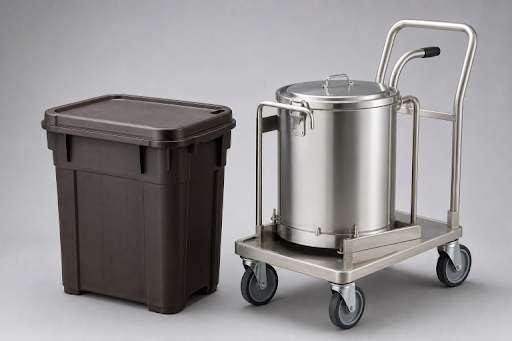
Restaurants, cafeterias, hotels, schools, hospitals, and food processors can generate substantial amounts of used cooking oil over time. Treating that material as a managed resource, rather than an inconvenience to get rid of, can improve cleanliness, reduce avoidable maintenance problems, and make daily kitchen operations easier to control. For service details and collection options, learn more here.
A practical oil-recycling program starts with simple habits. Staff need a safe way to cool, transfer, store, and report used oil, while managers need a collection schedule that matches the kitchen’s actual volume. When everyone follows the same process, the risk of overflowing containers and last-minute cleanup is lower.
Busy kitchens often produce used fryer oil every day, especially when menus include fried foods, sautéed items, roasted proteins, or prepared foods made with fats. Improper disposal can lead to blocked pipes, greasy floors, unpleasant odors, and costly cleanup. Oil that enters plumbing can cool and solidify, contributing to buildup inside pipes and grease-control equipment.
Recycling should be part of a broader waste-management routine that also covers food scraps, cardboard, packaging, and cleaning practices. The U.S. Environmental Protection Agency identifies fats, oils, and grease as materials with industrial uses such as biodiesel, animal feed, and soap production when they are properly recovered and processed.
Many oil-handling problems begin with shortcuts taken during a busy shift. Avoid these common mistakes:
- Pouring oil into sinks, floor drains, toilets, or outdoor storm drains.
- Transferring oil while it is still dangerously hot.
- Mixing oil with water, detergents, degreasers, trash, or other waste.
- Using open, cracked, unstable, or poorly labeled containers.
- Leaving storage containers exposed to rain, pests, debris, or vehicle traffic.
- Waiting for a container to become full before arranging service.
- Assuming new employees know the correct procedure without training.
Allow oil to cool before moving it whenever possible. Hot oil can cause serious burns, and rushed transfers increase the chance of splashing or creating slippery surfaces. Staff should use equipment designed for the task and follow the kitchen’s safety procedures.
Basic filtering can be useful when the kitchen’s collection process allows it. Removing large crumbs and food particles helps keep the container cleaner, reduces odors, and may make the material easier to process after collection.
Store oil in a strong, covered, clearly marked container positioned on a level surface. The area should allow employees to approach the container safely and should be protected from accidental impact. A spill-control approach, such as secondary containment where appropriate, can help limit the effects of a leak.
Water, cleaning solutions, degreasers, and other liquids should not be added to used oil. Contamination can complicate handling, reduce recoverable material quality, and create unnecessary issues for the collection provider.
- Check lids, seams, hoses, and surrounding surfaces for leaks.
- Make sure the container is not close to overflowing.
- Keep walking paths clear of grease, boxes, and trip hazards.
- Document recurring problems so repairs can be scheduled before a spill occurs.
After pickup, used cooking oil generally moves through a straightforward recovery process. First, it is transported from the kitchen to a processing location. Food particles, water, and other impurities may be separated from the material. The recovered oil can then be tested, stored, and directed to an end use that fits its condition and the processor’s requirements.
The exact process varies by provider and market, but clean collection practices at the kitchen level make the next steps more manageable. Keeping waste streams separate gives processors a more consistent material to work with.
Used vegetable oil and animal fats can be used as feedstocks in renewable fuel pathways, including biodiesel production. Final eligibility depends on the material’s quality, processing method, and applicable requirements.
Recovered fats and oils may also support manufacturing applications. Depending on processing and specifications, these materials can contribute to products such as soaps, detergents, lubricants, and other industrial goods.
Some processed fats may be used in animal feed applications when they meet the relevant safety, quality, and regulatory requirements. Not every load of used cooking oil is suitable for every market.
- Measure weekly volume: Track oil generated during typical weeks and high-demand periods.
- Select a storage location: Choose a stable, accessible area away from drains and high-traffic hazards.
- Set pickup frequency: Match service intervals to container capacity and expected production.
- Train employees: Provide clear instructions for cooling, filtering, transferring, and spill reporting.
- Keep records: Save pickup dates, estimated volumes, inspection notes, and provider contact information.
- Review the plan regularly: Update procedures when menus, equipment, staffing, or production levels change.
- Which types of cooking oil and grease can you accept?
- What container sizes and storage options are available?
- How often can pickups be scheduled?
- What should the kitchen do if the oil volume suddenly increases?
- Are pickup records, weight information, or service confirmations provided?
- How are spills or damaged containers addressed?
- What destinations or processing pathways are used for collected material?
- Are there minimum volumes, service fees, or contract terms to review?
State and local requirements may be more specific than general federal guidance. Businesses can review the EPA’s advice on managing used oil and checking with local environmental agencies when evaluating their own compliance responsibilities.
- Oil is cooled before it is moved.
- Large food debris is removed when appropriate.
- Water and cleaning chemicals are kept out of oil containers.
- Containers are covered, stable, clearly marked, and routinely inspected.
- Staff know how to respond to a spill and who to notify.
- Pickup dates, service details, and recurring issues are recorded.
- Local storage and disposal requirements are reviewed periodically.
A well-run used cooking oil program supports safer work areas, cleaner plumbing, more orderly storage, and better waste-management records. The most effective systems are usually the simplest: cool the oil, keep contaminants out, store it securely, train the team, and arrange collection before capacity becomes a problem. With consistent daily practices, commercial kitchens can turn used cooking oil into a manageable material with a clear route to recovery.