 By Galileo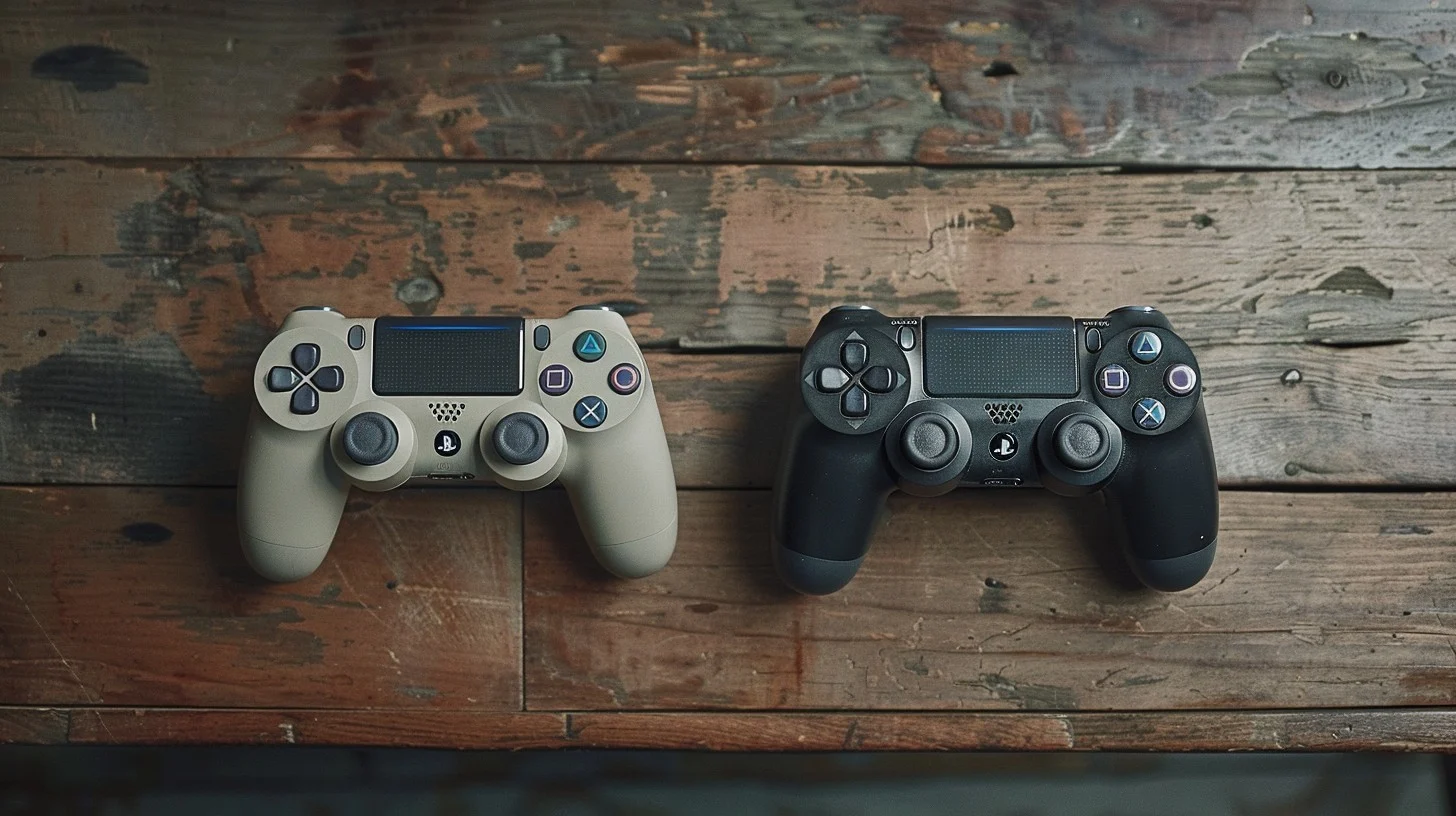
Game controllers have become an essential component of modern gaming, offering an interactive gateway for players to delve into virtual worlds. Whether navigating complex narratives or competing in high-stakes multiplayer battles, the efficiency and effectiveness of a gaming controller can greatly enhance or impede the overall gaming experience. The design of a high-quality game controller often focuses on ergonomics, responsive inputs, and durable materials to support long gaming sessions. A pivotal player in this domain, Razer, explores the frontiers of console gaming with its innovative designs and superior technical specifications.
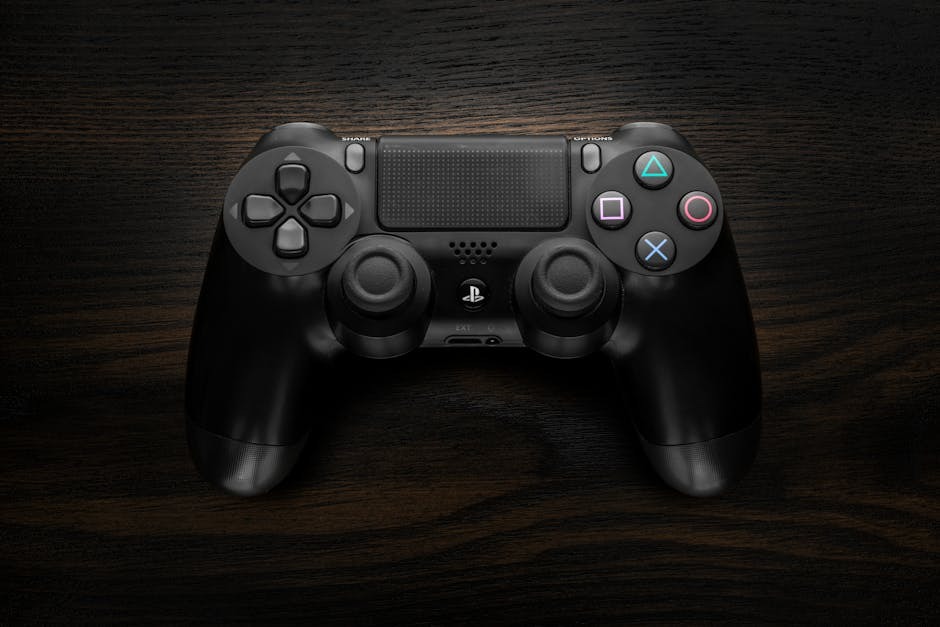
The evolution of gaming controllers mirrors the technological advancement of the gaming industry itself. From the rudimentary joysticks of the 1970s to today’s multifunctional devices, controllers have come a long way. The initial designs offered limited functionality, comprising primarily a joystick and a singular button. These early controllers set the stage for the complex devices of today, which feature multiple buttons, triggers, and joysticks, all meticulously designed to offer the highest degree of control and comfort.
As games grew more complex, the demand for more sophisticated controllers arose. The introduction of directional pads in the 1980s, followed by the analogue stick in the late 1990s, marked significant milestones in the evolution of gaming controllers. These innovations allowed for more precise movements, essential for the more demanding gameplay that was emerging at the time.
A significant aspect of any gaming controller is its design and ergonomics. Developers and designers dedicate immense resources to ensure that controllers are comfortable to hold for extended periods. The shape, button placement, weight, and texture of a controller all play crucial roles in its effectiveness.
Ergonomically designed controllers offer a seamless transition between various controls, significantly reducing the strain on a player’s hands and fingers. This focus on comfort is particularly important in the realm of competitive gaming, where quick reflexes and sustained focus are vital. Advanced materials and design techniques allow manufacturers to create controllers that not only fit naturally into a player’s hands but also withstand the rigours of intense gaming sessions.
The integration of advanced technology in game controllers facilitates responsive and immersive gaming experiences. The inclusion of haptic feedback, for example, provides players with tactile sensations, enhancing the physical sense of gameplay. This technology mimics real-world sensations, such as the distinct feeling of driving over rough terrain in a racing game or the recoil of a weapon in a first-person shooter.
Additionally, motion sensing and wireless connectivity are important technical features in modern controllers. They provide a more interactive and less tethered experience, allowing gamers to move freely while playing. The integration of gyroscopic sensors enables players to use natural movements as part of their gameplay strategy, which has opened up new avenues for game interaction and immersive experiences.
The capacity for personalisation in gaming controllers can significantly impact user satisfaction. With the rise of competitive gaming and e-sports, players often seek controllers that can be customised to enhance their performance. Adjustable triggers, interchangeable thumbsticks, and remappable buttons give players the ability to tailor their controller setup to match their preferred gaming style.
This level of customisation extends beyond performance; aesthetic personalisation allows players to express their individual styles and preferences through unique colours, designs, and lighting effects. Some controllers even offer software options that further enhance personalisation, providing players the ability to finely tune their gaming experience.
As technology continues to advance, game controllers are poised to undergo further transformations. The integration of artificial intelligence and machine learning promises to create adaptive controllers that can learn players’ habits and optimise settings automatically for improved gameplay.
The rise of cloud gaming platforms is another pivotal trend influencing controller technology. As gaming becomes increasingly accessible from a variety of devices, there is a growing demand for universal controllers capable of interfacing seamlessly across multiple platforms. This shift challenges manufacturers to innovate such that controllers are compatible with both traditional consoles and new gaming mediums.
An emerging topic within the industry is the sustainability of manufacturing processes used to produce game controllers. As the environmental impact of electronic waste becomes more pronounced, there is an increasing call for controllers to be manufactured using sustainable materials and methods. Manufacturers are beginning to explore biodegradable materials and more energy-efficient production processes to reduce the industry’s carbon footprint.
The significance of a well-designed game controller extends beyond individual gameplay. For developers, controllers represent a vital tool in creating immersive and engaging experiences. Well-crafted controllers can inspire the creation of complex in-game mechanics, such as intricate combo systems or nuanced movement interactions.
Moreover, controllers are crucial in advancing the accessibility of games. Adaptive controllers that cater to individuals with disabilities enable a broader audience to enjoy and participate in gaming. This inclusivity not only expands the market but also enriches the cultural and social aspects of gaming communities.
The game controller of today is a culmination of decades of innovation and adaptation. As players and developers continue to challenge the boundaries of gaming, the role and design of controllers will invariably continue to evolve. These technological marvels ensure players remain as engaged and connected as ever, poised to tackle new hurdles and explore the uncharted territories of future gaming landscapes.
Stay in touch to get more updates & news on News Ross!