 By Engrnewswire
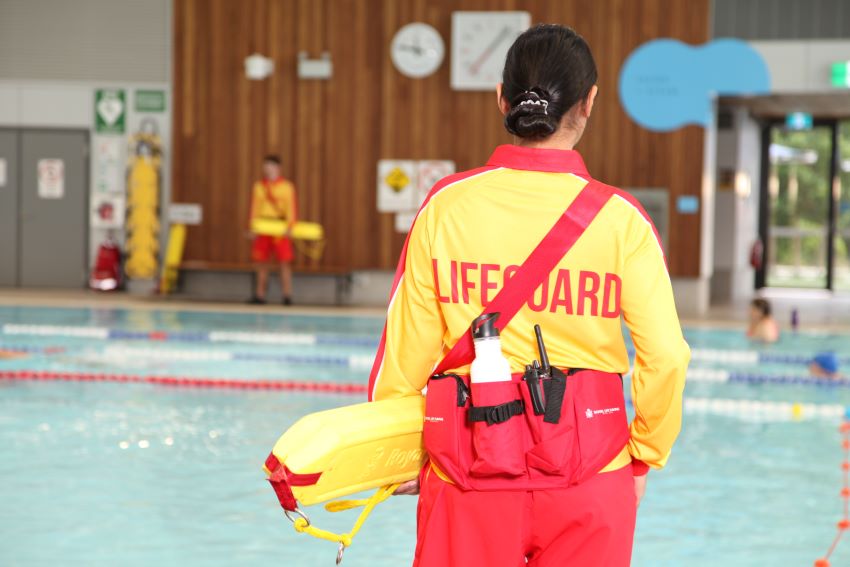
Why is it important to learn the difference between pools and open water?
What do you learn in a standard safety class? People think that just learning to swim in a pool is enough. But open water is a completely different thing. The flow of water in rivers and lakes is not always the same. When you join a professional qualification program, instructors explain to you all kinds of water hazards live. Going to distant cities is tiring work.
That is why people often skip river flow simulation classes. This cheapness is expensive later. The biggest advantage of having a lifeguard training ground near home is peace. You learn deep water entry drills with a fresh mind. When your physical stamina improves, it will not be difficult to pull a 10-pound brick underwater. The right decision is to always give priority to certified units.
New Link Information: Summer Season and Water Safety Awareness
The American Lifeguard Association (ALA) has shared some very serious things in its new public guidance circular. When the summer season starts, the rush at pools and beaches suddenly increases a lot. Due to this heavy crowd, the risk of accidental drowning doubles. According to the given link, it is the basic duty of every safety worker to always keep an eye on children near the water. It is not limited to swimming pools only.
In the link, they have issued a big alert on “Drain Safety”. The pressure of the large suctions and drains on the floor of pools is very dangerous. If a child goes near them, his body or hair can get stuck there. A good rescue specialist is taught where their filtration shut-off switch is. When such awareness is spread throughout the city, the accident ratio automatically drops. And the safety setup at public spots becomes very strong.
Natural Currents and Hidden Rivers Hazards Real Setup
The ALA official guide discusses a very important point about the dangers of open water. The fast-moving water inside rivers looks completely calm from the outside. But the deep rocks and sudden currents that form under the water can pull any good swimmer. Many people do not understand this hidden behavior of water. They go into deep water without thinking. Rescue specialized courses are designed to avoid such serious risks.
In these courses, you are taught from which angle to take a rescue entry into a fast-flowing river. When you seek authorized safety badges for yourself at the local level, these real-world scenarios become part of your practical testing. Managers always need such certified youth who know the technical background of both drains and open currents. This advanced system works like a complete protection cover.
Physical Endurance Metrics that are Compulsory to Clear
You can apply for registration from any state or area; there is no short-cut to bypass the physical tests. Instructors check your fitness criteria in the first week. There is no exemption in this test at all.
Continuous Distance Swim: Candidates have to swim continuously for 300 yards without taking a break. In this, a breathing lock is the most important asset.
The Deep-Water Retrieval: The candidate has to retrieve a 10-pound weighted object from the floor of the pool (which is about 10 feet deep). Auxiliary fins are not allowed during this.
Vertical Floating Drill: Without using hands, you have to hold yourself above the water for 2 minutes with the help of your feet only. Keeping your hands locked on a tight chest is a mandatory rule.
Clinical Resuscitation and Drainage Emergency Action Plan
Just removing a child from the water is not the end point of rescue. The real hard work begins when the victim stops breathing. In classes, you are taught to give compressions in dynamic teams. The clinical difference between adult and pediatric compressions should be memorized at your fingertips. During CPR, a loop of 30 compressions and 2 rescue breaths runs, which is quite a tiring task.
Along with this, deployment drills of the Automated External Defibrillator (AED) machine are conducted live with each candidate. Placing the pads in the perfect spot on the body and keeping everyone away from the shock line while doing the wave check is critical. In short, if your reflexes are not as fast as the machine, the testing board will not issue certification.
Conclusion: The real purpose of Secure Water Spaces
In the end, the point is quite clear. Completing authorized registration in the area near you keeps your focus. When the drainage and open water rules specified by the ALA are implemented in major urban facilities, public safety will become a professional weapon. This modern hybrid framework is the greatest legal asset of public infrastructure.
Frequently Asked Questions (FAQs)
1. Where can I find an official course on summer safety awareness?
You can go to the direct authorized registration portal and enter your active location zip code. The system will ask you if the nearest summer specific rescue training pool will be displayed on the screen.
2. Is it dangerous to use pool drains?
Yes, according to new safety data shared by ALA, the suction force of pool floor suctions is very heavy which can lock any child’s hair or body under water.
3. If I fail the main fitness pre-test swimming round, what should I do?
If you don’t clear the stamina around the first time, don’t worry at all. Instructors give you a few extra days so that you can boost your stamina and re-test.
4. What are the hazards of open water swimming and pool rules?
Absolutely not! Rivers have hidden currents and strong underwater currents that are not found in regular swimming pools, so the rescue drills for both are very different.
5.How long is the maximum period for which the Rescue course validation card is considered active?
 Galileo