 By Charlotte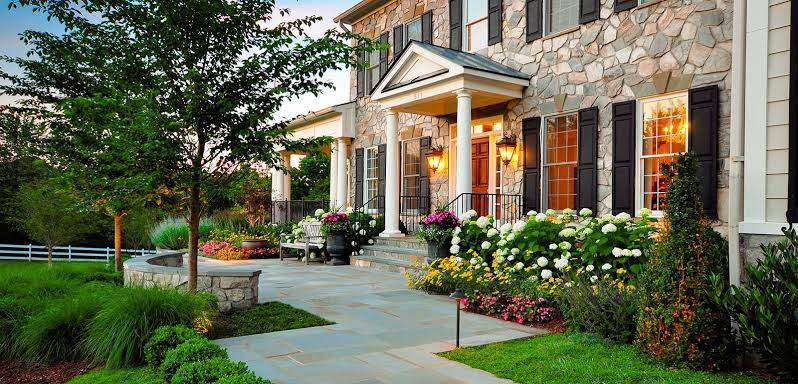
A well-designed garden can transform a residential property by creating a peaceful outdoor environment, improving visual appeal, and increasing the overall value of a home. Modern homeowners are no longer viewing gardens as simple green spaces; instead, they are designing outdoor areas that function as extensions of their living spaces.
Residential garden design solutions combine landscaping, smart planning, decorative elements, and functional features to create beautiful outdoor environments. From modern minimalist gardens to traditional landscapes, the right design approach can enhance comfort, privacy, and connection with nature.
With thoughtful planning and the use of suitable plants, lighting, furniture, and sustainable solutions, homeowners can create stylish gardens that complement their home’s architecture and lifestyle.
A residential garden plays an important role in improving the appearance and atmosphere of a property. A carefully planned outdoor space provides a relaxing area for family gatherings, entertainment, and personal enjoyment.
Modern garden design focuses on creating a balance between beauty and functionality. A well-designed garden can improve outdoor comfort, provide natural shade, support biodiversity, and create a healthier living environment.
Whether a property has a large backyard or a small outdoor area, proper design techniques can maximize available space and create an attractive landscape.
Modern garden designs emphasize simplicity, clean lines, and organized layouts. These gardens often use minimal decoration, structured planting arrangements, and contemporary materials.
A modern residential garden may include carefully placed plants, stone pathways, decorative walls, outdoor seating areas, and stylish lighting. The goal is to create an elegant outdoor space that feels connected to the home’s interior design.
Minimalist gardens are especially popular in modern homes because they require less maintenance while maintaining a sophisticated appearance.
Traditional garden designs focus on natural beauty, greenery, and timeless landscaping features. These gardens often include colorful plants, flowering areas, decorative pathways, and classic outdoor elements.
Traditional residential gardens create a warm and welcoming atmosphere. They are suitable for homeowners who prefer a natural landscape with a more relaxed and organic appearance.
Elements such as wooden structures, stone features, fountains, and carefully arranged plants can enhance the classic charm of traditional garden spaces.
Limited outdoor space does not mean homeowners cannot create beautiful gardens. Small garden design focuses on maximizing available areas through creative planning.
Vertical gardens, compact plants, wall planters, and multi-purpose outdoor furniture can help transform small spaces into attractive green areas.
Balcony gardens, rooftop gardens, and courtyard landscapes are becoming popular solutions for urban homes where traditional garden space is limited.
Landscaping plays a major role in creating a balanced and attractive garden design. Different elements work together to improve the overall appearance and usability of outdoor spaces.
Plants and greenery provide natural beauty, while pathways, decorative stones, water features, and outdoor structures add character and functionality.
A successful landscape design considers factors such as sunlight, soil conditions, climate, and maintenance requirements to create a sustainable garden.
Garden lighting improves both appearance and safety during the evening. Proper lighting highlights important landscape features and creates a comfortable outdoor atmosphere.
Modern garden lighting solutions include pathway lights, wall lights, tree lighting, and smart outdoor lighting systems.
Automated lighting controls allow homeowners to manage outdoor illumination efficiently while reducing energy consumption.
Technology has become an important part of modern residential garden design. Smart garden systems help homeowners maintain outdoor spaces with less effort.
Automated solutions can include smart irrigation systems, soil moisture sensors, weather-based watering controls, and smart lighting.
These technologies help conserve water, improve plant health, and make garden maintenance more convenient.
Sustainable landscaping is becoming increasingly popular as homeowners look for environmentally responsible solutions.
Eco-friendly garden designs focus on reducing resource consumption while maintaining beauty. Features such as native plants, rainwater collection, composting areas, and efficient irrigation systems support sustainable outdoor living.
Using local plants can also reduce maintenance requirements because they are naturally adapted to the surrounding environment.
Modern gardens are increasingly designed as outdoor living areas rather than simple landscapes. Homeowners are creating spaces where they can relax, dine, and spend time with family.
Outdoor kitchens, seating areas, pergolas, fire features, and decorative structures can turn gardens into comfortable extensions of indoor living spaces.
The integration of furniture, lighting, and landscaping creates a complete outdoor experience.
Privacy is an important consideration in garden design, especially for homes located in busy neighborhoods.
Garden privacy can be improved through natural and structural solutions such as:
- Dense planting
- Decorative screens
- Garden walls
- Fences
- Vertical greenery
These features create a more comfortable outdoor environment while maintaining the beauty of the landscape.
Plant selection is one of the most important aspects of residential garden design. The right plants should match the climate, available space, and maintenance preferences of homeowners.
Low-maintenance plants are ideal for busy homeowners, while flowering plants and decorative trees can create a more colorful and attractive landscape.
A balanced combination of trees, shrubs, flowers, and ground covers creates a visually appealing garden throughout the year.
A beautiful garden requires proper maintenance to remain healthy and attractive. Regular watering, pruning, cleaning, and soil management help plants grow successfully.
Smart irrigation systems and low-maintenance landscaping designs can reduce the amount of time required for garden care.
Planning maintenance requirements during the design stage ensures that the garden remains practical and enjoyable over time.
The future of garden design is moving toward smarter, more sustainable, and multifunctional outdoor spaces.
Emerging trends include automated gardening systems, eco-friendly landscaping, smart outdoor technology, vertical gardens, and designs that combine relaxation with entertainment.
As homeowners continue to prioritize outdoor living, gardens will become increasingly important parts of modern residential architecture.
Residential garden design solutions provide homeowners with the opportunity to create beautiful, functional, and relaxing outdoor environments. A thoughtfully designed garden improves home appearance, enhances lifestyle quality, and creates a stronger connection with nature.
From modern minimalist landscapes to traditional green spaces, the right combination of plants, lighting, automation, and outdoor features can transform any residential area into a stylish outdoor retreat.
With sustainable practices and smart technology, modern gardens are becoming more efficient, attractive, and valuable additions to contemporary homes.
Residential garden design solutions include landscaping ideas, plant selection, outdoor features, lighting, and smart technologies used to create attractive and functional home gardens.
You can improve a garden by adding suitable plants, decorative pathways, outdoor lighting, seating areas, water features, and well-planned landscaping elements.
Small homes can benefit from vertical gardens, rooftop gardens, compact landscaping, wall planters, and space-saving outdoor designs.
Smart garden automation uses sensors, automated irrigation systems, and connected devices to manage watering, lighting, and plant care efficiently.
Sustainable garden design reduces water usage, lowers maintenance needs, supports the environment, and creates healthier outdoor spaces.
The best plants depend on climate, soil conditions, available space, and maintenance preferences. Native and low-maintenance plants are often good choices.
Yes, a well-designed garden can improve curb appeal and increase the overall attractiveness and value of a residential property.
Garden privacy can be improved with plants, hedges, decorative screens, fences, walls, and vertical greenery solutions.
Modern gardens can be designed with low-maintenance plants, automated irrigation, and smart systems to reduce regular upkeep requirements.
Current trends include smart irrigation, sustainable landscaping, outdoor living spaces, vertical gardens, and technology-based garden management solutions.