 By Charlotte
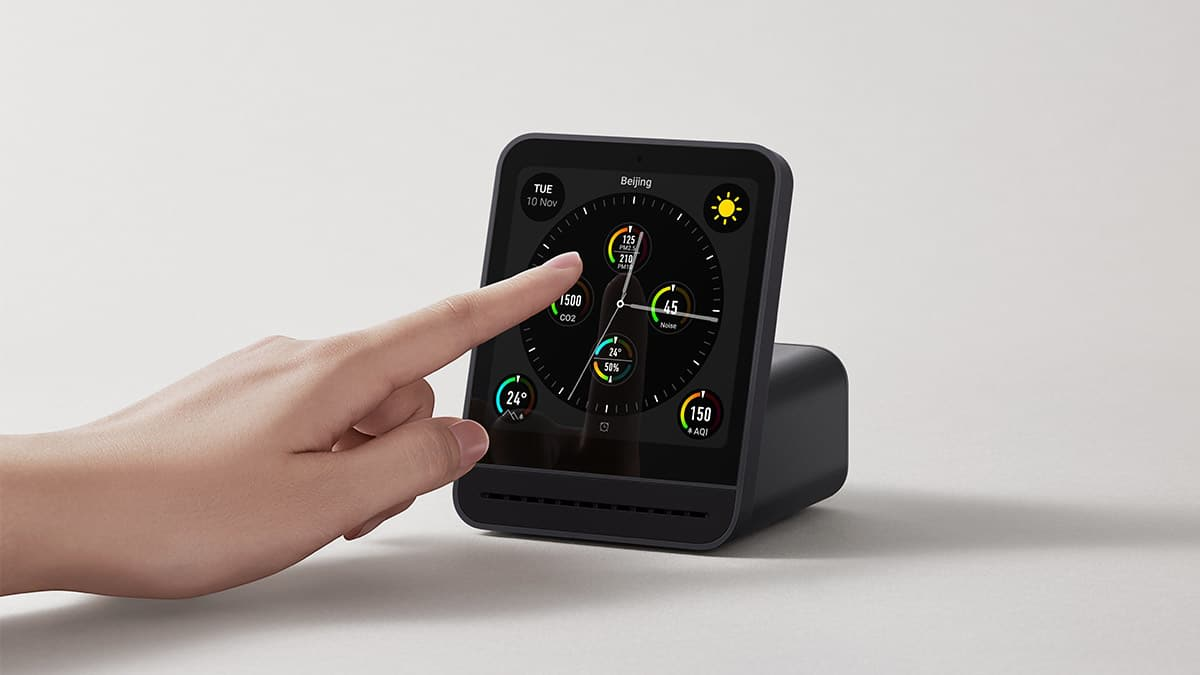
Indoor air quality has become an important part of modern home design as homeowners focus more on creating healthier and more comfortable living environments. While many people pay attention to outdoor pollution, indoor air conditions can also affect comfort, productivity, and overall well-being. Indoor air quality monitoring systems provide an effective solution by tracking environmental conditions in real time and helping homeowners maintain cleaner and healthier indoor spaces.
These smart monitoring systems use advanced sensors and connected technology to measure factors such as air pollutants, humidity, temperature, carbon dioxide levels, and ventilation quality. By providing accurate environmental information, indoor air quality monitors help homeowners make better decisions about ventilation, filtration, and home automation.
Indoor air quality monitoring systems are smart devices designed to measure and analyze different environmental conditions inside residential spaces. These systems continuously collect data using sensors and provide real-time information through displays, mobile applications, or smart home platforms.
Unlike traditional methods where homeowners only notice air problems after discomfort appears, smart monitoring systems provide early awareness of changing indoor conditions.
These systems help identify potential issues such as poor ventilation, excessive humidity, increased pollutants, or unhealthy air circulation before they become major concerns.
People spend a significant amount of time inside their homes, making indoor air quality an important factor in residential comfort. Poor indoor air conditions can result from dust, allergens, household chemicals, moisture, cooking emissions, and inadequate ventilation.
Maintaining healthy indoor air helps create a more comfortable living environment while supporting better overall home conditions.
Modern homes are often designed with improved insulation and reduced air leakage, which increases energy efficiency but also makes proper ventilation and air monitoring more important.
One of the biggest advantages of indoor air quality monitoring systems is real-time environmental tracking. These systems continuously monitor changes in indoor conditions and provide updated information to homeowners.
Real-time tracking allows users to understand:
- Current air quality levels
- Temperature changes
- Humidity variations
- Carbon dioxide concentration
- Pollutant levels
This information helps homeowners take immediate action when indoor conditions require improvement.
Advanced sensors are the foundation of modern air quality monitoring systems. These sensors detect different environmental factors and provide accurate measurements.
Common monitoring sensors include:
These sensors measure tiny airborne particles such as dust, smoke, and other pollutants that may affect indoor air conditions.
CO₂ sensors help identify ventilation problems by monitoring carbon dioxide levels caused by human activity and limited airflow.
Humidity monitoring helps prevent problems related to excessive moisture, including mold growth and uncomfortable indoor conditions.
Temperature tracking allows homeowners to maintain comfortable indoor climates and improve HVAC efficiency.
Indoor air quality monitoring systems work effectively when connected with smart HVAC solutions. This integration allows heating, cooling, and ventilation systems to respond automatically based on air quality data.
For example, if carbon dioxide levels increase, an automated ventilation system can increase fresh air circulation. If humidity becomes too high, the HVAC system can adjust moisture control settings.
This creates a healthier and more responsive indoor environment.
Proper ventilation is essential for maintaining fresh indoor air. Smart air quality systems help automate ventilation by identifying when fresh airflow is needed.
Connected ventilation systems can automatically increase airflow when pollutants or humidity levels rise. This reduces the need for manual adjustments and ensures continuous air management.
Automated ventilation is especially valuable in modern energy-efficient homes where natural airflow may be limited.
Indoor environments can contain various pollutants that affect air quality. Smart monitoring systems help homeowners identify changes caused by dust, smoke, cleaning products, and other sources.
By tracking pollutant levels, homeowners can improve cleaning routines, adjust ventilation, or use air purification systems when needed.
This proactive approach helps create cleaner and more comfortable residential spaces.
Indoor air quality monitors can be combined with smart air purifiers to create automated cleaning solutions.
When monitoring systems detect increased pollution levels, connected air purifiers can automatically activate and improve air conditions.
This combination provides a more efficient approach to indoor air management by allowing purification systems to operate based on actual environmental needs.
Many modern indoor air quality systems provide smartphone connectivity, allowing homeowners to monitor conditions remotely.
Mobile applications provide access to:
- Real-time air quality reports
- Environmental history data
- Alerts and notifications
- System recommendations
Remote monitoring allows homeowners to check indoor conditions even when they are away from home.
Indoor air quality monitoring is becoming an important feature of complete smart home ecosystems. These systems can communicate with lighting, HVAC, security, and automation platforms.
For example, a smart home system can adjust ventilation, activate air purification, or modify climate settings automatically based on environmental data.
This integration creates a more intelligent home that responds to changing conditions without constant user involvement.
Smart air quality monitoring provides several advantages for modern residential properties.
By maintaining balanced temperature, humidity, and ventilation, monitoring systems help create more comfortable living spaces.
Real-time information allows homeowners to understand what is happening inside their homes and make informed decisions.
When connected with HVAC systems, air quality monitors help optimize ventilation and climate control, reducing unnecessary energy usage.
Monitoring humidity and environmental conditions can help identify issues before they lead to problems such as moisture damage or poor ventilation.
Smart air quality systems can be used in various areas of a home, including bedrooms, living rooms, kitchens, offices, and basements.
Bedrooms benefit from monitoring because air quality can affect sleeping comfort. Kitchens require monitoring due to cooking emissions, while basements may need humidity tracking to prevent moisture issues.
Placing monitors in important areas provides a more complete understanding of the home’s environmental conditions.
Indoor air quality monitoring supports sustainable residential design by improving resource efficiency and reducing unnecessary energy use.
When combined with energy-efficient HVAC systems, smart ventilation, and environmentally friendly building materials, air monitoring contributes to healthier and more sustainable homes.
Modern sustainable homes focus not only on reducing energy consumption but also on creating better indoor environments.
The future of indoor air monitoring will focus on more intelligent systems with advanced sensors, artificial intelligence, and predictive analysis.
Future technologies may automatically identify pollution sources, predict air quality changes, and adjust home systems before problems occur.
As smart homes continue to develop, indoor environmental monitoring will become a standard feature for creating healthier residential spaces.
Indoor air quality monitoring systems provide homeowners with powerful tools for creating healthier and more comfortable living environments. Through real-time environmental tracking, smart sensors, and automation integration, these systems help maintain better air conditions while improving energy efficiency.
As modern homes become more connected, monitoring indoor air quality will play an increasingly important role in residential design. By combining smart technology with effective ventilation and climate management, homeowners can create safer, healthier, and more efficient living spaces.
An indoor air quality monitoring system is a smart device that tracks environmental conditions such as pollutants, humidity, temperature, and carbon dioxide levels inside a home.
Indoor air quality affects comfort and environmental conditions, making proper monitoring important for creating healthier and more balanced living spaces.
Most systems measure factors such as particulate matter, carbon dioxide, humidity, temperature, and other indoor environmental conditions.
Yes, many monitoring systems can integrate with smart HVAC and ventilation systems to automate climate and airflow adjustments.
When connected with smart home systems, they can improve energy efficiency by optimizing ventilation and HVAC operation based on real-time conditions.
Common locations include bedrooms, living rooms, kitchens, home offices, and other areas where residents spend significant time.