 By Galileo
There was a time, not too long ago, when simply having a website was enough to impress your customers. Businesses in the UAE would buy a domain name, put up a home page, write a short “About Us” section, list their services, and paste their phone number at the bottom. We call this a “brochure website” because it acts exactly like a printed piece of paper. It just sits there, completely static, waiting for someone to read it. Today, this outdated approach is a massive liability. When modern companies invest in Website Development Dubai, they quickly realize that a static, silent website simply cannot survive in one of the most aggressive and fast-paced business environments on the planet.
Dubai is a city of high expectations and instant gratification. If a potential customer lands on your website and feels like they are reading a dusty corporate catalog from 2010, they will leave within three seconds. They do not want to read long paragraphs about your company history. They want to know exactly how you can solve their problem right now, and they want the ability to take action without picking up the phone.
A modern website is no longer an informational poster; it is a digital machine designed to generate revenue, qualify leads, and automate your sales process. In this blog, we will break down exactly why the traditional brochure website is dying, and what performance-driven elements you must replace it with to stay competitive in the UAE market.
To understand why brochure websites are failing, you have to look at the psychology of the people living and working in Dubai. Whether they are a busy CEO in the DIFC looking for corporate legal services or a mother in Jumeirah looking for a reliable home cleaning company, their mindset is the same: they are busy, they are impatient, and they have endless options.
When you hand someone a physical brochure, you are asking them to do the hard work of reading, interpreting, and deciding what to do next. On the internet, asking the user to do the hard work is the fastest way to lose them.
High-Speed Decision Making: In a highly saturated market, your potential client already has five of your competitors’ websites open in different tabs, so if your website makes them search endlessly for a simple price or a clear solution, they will just close your tab and give their money to the competitor who made it easier to understand.
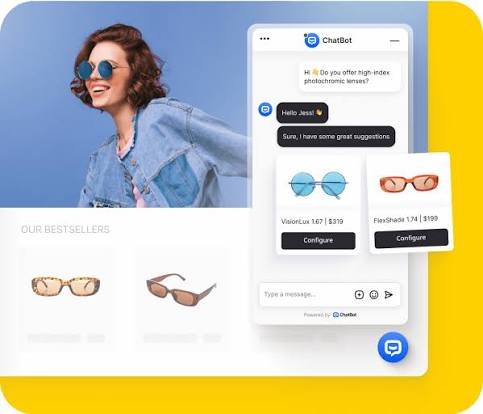
The Expectation of Immediate Interactivity: Users no longer want to just look at pictures of your product; they expect to interact with it by dragging sliders to calculate their costs, clicking filters to narrow down their choices, or watching a quick video demonstration that explains your service in thirty seconds without forcing them to read a wall of text.
The Demand for Zero-Friction Actions: A brochure website usually ends with a basic “Contact Us” page that forces the user to write an email, which feels like a chore; modern consumers expect a completely frictionless experience where they can book a meeting, secure a table, or pay a deposit with just two clicks using Apple Pay or a quick digital calendar.
Complete Rejection of Corporate Jargon: Brochure sites are famous for using big, empty corporate words like “synergy” or “leading provider,” but modern buyers completely ignore this fluffy language, searching instead for hard facts, clear numbers, and honest reviews that prove you actually deliver what you promise.
The biggest fundamental flaw of a brochure website is that it has no clear goal. It gives the user a bunch of random information and secretly hopes they decide to call you. Hope is not a valid business strategy. A modern website relies on “conversion funnels.” A conversion funnel is a specific, psychological pathway that guides the user step-by-step from the moment they arrive until the exact moment they hand over their money or their contact details.
Instead of letting the user wander around aimlessly, a funnel takes them by the hand and tells them exactly what to do next.
Replacing the “Contact Us” Page with Intent-Based Forms: Instead of a generic contact form that just asks for a name and message, a modern website uses dynamic, multi-step forms that ask the user specific questions about their budget and timeline, which heavily pre-qualifies the lead before your sales team ever has to speak to them.
Using Micro-Commitments to Build Trust: Rather than asking a cold visitor to immediately buy a fifty-thousand-dirham consulting package, a strong website asks for a tiny commitment first, like downloading a free PDF guide or taking a quick digital quiz, which gets them comfortable interacting with your brand before asking for a massive financial decision.
Automated Calendar Bookings Over Phone Calls: Nobody wants to play phone tag with a receptionist to find a good time for a meeting, so integrating a live calendar system like Calendly directly into your website allows the prospect to see your exact availability and book themselves into your schedule automatically.
Capturing Data Before the Exit: A brochure website just lets a user leave if they are not ready to buy, but a performance-driven site tracks the user’s mouse movements and triggers a helpful, polite popup right as they move to close the window, offering them a small discount or a free consultation to save the lead at the very last second.
Brochure websites are not just bad at psychology; they are technically broken for the modern internet. A static website is built using old coding methods that do not change or adapt. Google and other search engines actively punish websites that sit frozen in time without regular technical updates or fresh data.
If you want to rank on the first page of Google in Dubai, your website must be built on a dynamic, performance-driven architecture.
Google’s Algorithmic Punishment for Static Content: Search engines prioritize websites that regularly update their content because it signals that the business is active and relevant, meaning a static brochure site that has not changed its text in three years will slowly be pushed down the search rankings until it completely disappears.
Dynamic Loading for Faster Speeds: Old static websites load every single image and piece of code at the exact same time, which makes the site incredibly slow on mobile networks, whereas modern architecture uses “lazy loading,” which only loads the pictures as the user scrolls down, making the initial page speed lightning fast.
Deep Analytics and Behavioral Tracking: A brochure website might tell you how many people visited your site, but a performance-built website uses heatmaps and session recordings to show you exactly where people are clicking, where they are getting confused, and exactly which paragraph caused them to leave the site.
Scalability for Future Marketing Campaigns: When you launch a new Google Ads or Instagram marketing campaign, you need to send that traffic to highly specific, hidden landing pages designed just for that ad; a modern website platform allows your marketing team to build and launch these pages in minutes without having to rewrite the core code of the entire site.
Finally, the death of the brochure website is driven by the rise of automation. In a global city like Dubai, business does not stop at 6:00 PM. If an international investor in Singapore visits your Dubai real estate website at 3:00 AM your time, a brochure website will just show them a closed office. A modern website, however, acts like your hardest-working employee who never sleeps, never takes a break, and perfectly handles the customer until you wake up.

After-Hours Lead Qualification: Using smart, logic-based chatbots (not just basic auto-responders), your website can ask the late-night visitor a series of strategic questions, collect their phone number, and promise them a call at exactly 9:00 AM Dubai time, completely securing the lead while your office is dark.
Instant Email and SMS Welcome Sequences: The very second a user submits an inquiry on your site, the backend automation must instantly trigger a personalized email and a WhatsApp message thanking them for their interest and sending them a beautiful company profile, keeping them deeply engaged with your brand immediately.
Direct CRM Data Synchronization: Instead of a human employee arriving in the morning and manually copying emails into a spreadsheet, a modern website instantly funnels every single late-night lead directly into your Customer Relationship Management (CRM) software, organizing them perfectly for your sales team to start dialing the moment they sit at their desks.
Personalized Returning User Experiences: If a customer visits your website, looks at a specific service, and leaves, a smart website will remember their browser; when they return three days later, the website will automatically change its headline to welcome them back and offer them a faster checkout for the exact service they were looking at previously.
The era of the “Brochure Website” is officially over in Dubai. You can no longer treat your digital presence like a cheap business card that you hand out and forget about. If your website is static, silent, and entirely reliant on the customer doing all the hard work, you are actively losing money to competitors who have embraced modern digital strategies.
A true, modern website is a living, breathing sales engine. It must capture attention instantly, guide the user through a psychological conversion funnel, track their behavior with advanced analytics, and automate the tedious tasks of lead qualification and follow-up.
When you start your next digital project, do not just ask your development team to “make it look pretty.” Demand a performance-driven architecture. Demand automated systems that integrate with your daily operations. By killing the old brochure mentality and treating your website like your most valuable digital employee, you will transform your digital presence into a powerful tool that actively grows your business in Dubai’s hyper-competitive market.
Keep an eye for more latest news & updates on Newsross!
 IQnewswire