 By Charlotte
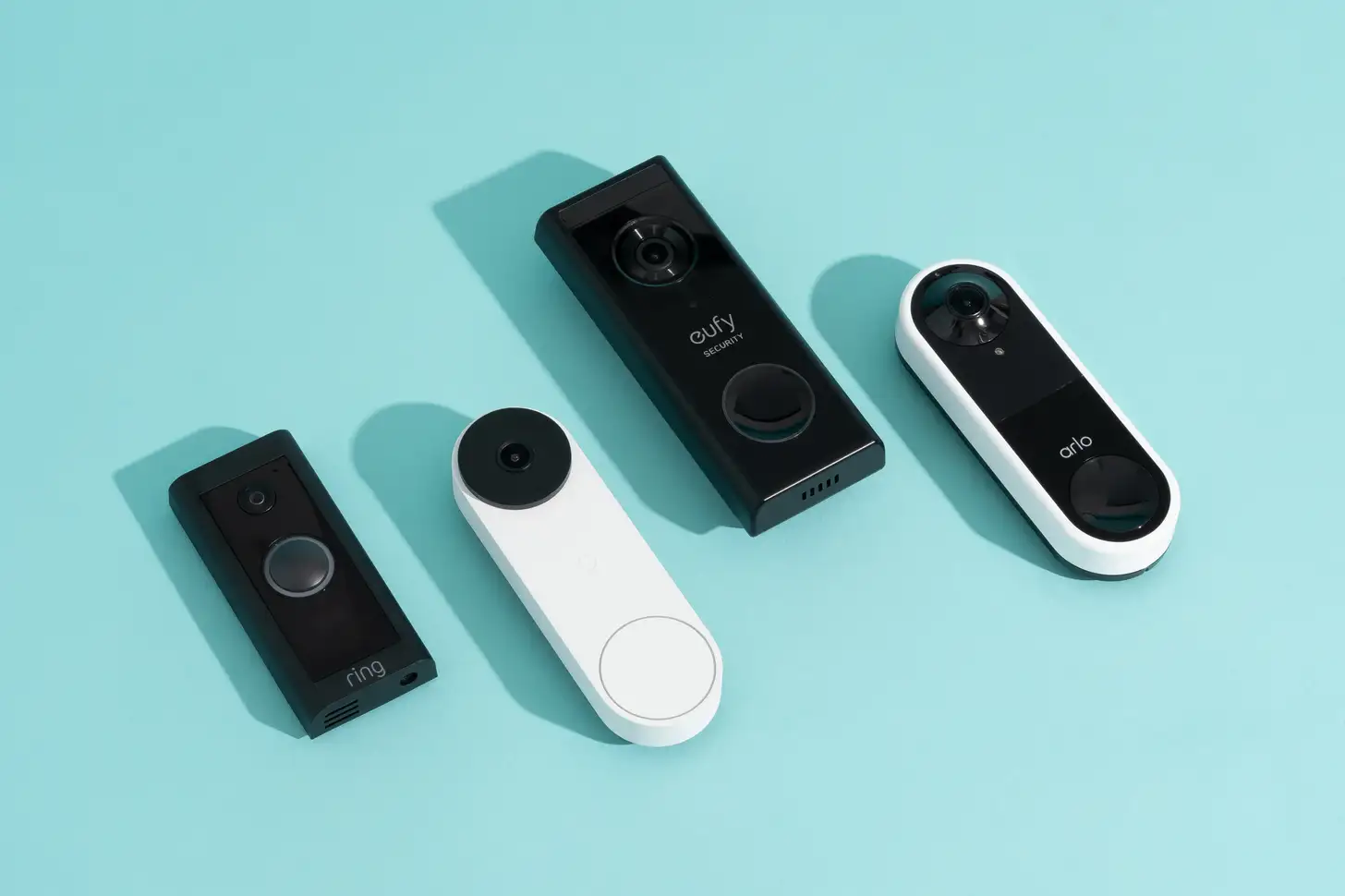
Home security has changed significantly with the development of smart technology. In the past, a traditional doorbell only informed homeowners that someone was waiting outside. Today, modern doorbells have evolved into intelligent security devices that allow people to see, communicate with, and monitor visitors from anywhere.
Smart doorbell technology with visitor monitoring security features combines cameras, sensors, internet connectivity, and smart software to create a safer and more connected home environment. These systems provide real-time awareness of activities near the entrance while helping homeowners manage visitors, deliveries, and unexpected situations more confidently.
As smart homes continue to grow in popularity, smart doorbells are becoming an important part of residential security systems by offering convenience, better protection, and greater control over property access.
The entrance of a home is one of the most important areas when it comes to security. It is the first point where visitors, delivery personnel, and unknown individuals interact with a property.
Traditional doorbells could only provide an alert, but smart doorbells add a complete monitoring system to the entrance. With built-in cameras and connected applications, homeowners can now check who is outside without physically approaching the door.
Modern smart doorbells allow users to:
- View visitors through live video
- Communicate remotely
- Receive security notifications
- Record important events
- Monitor activity around the entrance
This technology provides homeowners with more information before deciding whether to open the door or respond to a visitor.
A smart visitor monitoring system is designed to identify and record activity around a home entrance. The system usually includes a camera, motion sensors, microphone, speaker, and a mobile application that connects the device to the homeowner.
When someone approaches the door, the system detects movement or receives a doorbell press notification. The homeowner can then view live footage and communicate with the visitor through two-way audio.
This creates a safer way to manage visitors, especially when homeowners are busy, away from home, or unsure about who is outside.
One of the biggest advantages of smart doorbells is the ability to identify visitors instantly.
A homeowner no longer needs to open the door without knowing who is waiting outside. Instead, they can check the visitor’s identity through the camera and decide how to respond.
This feature is especially useful for:
- Delivery management
- Unexpected visitors
- Family safety
- Monitoring children’s arrivals
- Checking activity during vacations
Real-time visibility improves confidence and reduces uncertainty around home entrances.
The camera is the central component of any smart doorbell system. Modern devices use advanced camera technology to capture clear images and provide better security coverage.
High-quality cameras help homeowners recognize visitors, review recorded events, and monitor activity around entry points.
Many modern smart doorbells use wide-angle lenses that capture a larger viewing area around the entrance. This helps reduce blind spots and provides better awareness of surrounding activity.
High-resolution video improves visibility by producing clearer images, especially when identifying visitors or reviewing security recordings.
Smart doorbells are not limited to detecting button presses. Many systems include motion detection technology that identifies movement near the entrance.
When movement is detected, the device can send an alert to the homeowner’s smartphone.
Advanced motion detection helps monitor:
- People approaching the door
- Package deliveries
- Activity near entrances
- Unusual movement around the property
Many systems also allow users to customize detection areas to reduce unnecessary notifications.
Artificial intelligence has improved the performance of modern visitor monitoring systems. AI-based features allow smart doorbells to analyze activity more accurately and provide more useful alerts.
Instead of reacting to every movement, AI technology can help differentiate between different types of activity.
For example, advanced systems may recognize whether movement is caused by a person, vehicle, or general environmental changes.
AI integration helps improve:
- Detection accuracy
- Alert quality
- Visitor recognition
- Security monitoring efficiency
This makes smart doorbells more effective compared with basic motion sensors.
Two-way audio is one of the most practical features of smart doorbell technology. It allows homeowners to communicate with visitors without opening the door.
Through a smartphone application, users can speak directly with people outside their home.
This feature can be useful when:
- Giving delivery instructions
- Informing guests about availability
- Responding while away from home
- Avoiding unnecessary door openings
Remote communication improves both convenience and security.
Security concerns do not stop after sunset. Smart doorbells with night vision technology allow homeowners to monitor entrances even in low-light conditions.
Infrared sensors and advanced cameras help capture activity during nighttime hours.
Night vision technology improves:
- After-dark monitoring
- Visitor identification
- Recorded video quality
- Overall security coverage
This ensures that the entrance remains protected throughout the day and night.
Connectivity is what makes smart doorbells different from traditional security devices. Through internet connections and mobile applications, homeowners can access their doorbells remotely.
A connected smart doorbell allows users to:
- Receive instant alerts
- Watch live video
- Communicate with visitors
- Review recorded footage
- Adjust device settings
This remote access is particularly valuable for people who travel frequently or spend long periods away from home.
Smart doorbells are increasingly becoming part of complete home automation networks. They can connect with other smart devices to create a more comprehensive security environment.
For example, a smart doorbell can work together with:
- Smart locks
- Security cameras
- Alarm systems
- Smart lighting
- Home automation platforms
This integration allows different devices to respond together and provide better control over home security.
The growth of online shopping has increased the need for better delivery monitoring. Packages left outside homes can become vulnerable to theft or weather damage.
Smart doorbells help homeowners monitor deliveries by providing alerts when packages arrive and allowing communication with delivery personnel.
Some advanced systems can also detect package placement and notify homeowners when items are delivered.
While smart doorbells provide improved security, protecting personal information is equally important.
Because these devices collect video recordings and personal data, homeowners should choose systems that provide strong security measures.
Important considerations include:
- Secure account protection
- Regular software updates
- Encrypted data storage
- Proper privacy settings
Homeowners should also adjust camera angles and recording zones carefully to respect privacy while maintaining security.
Proper installation plays an important role in achieving the best performance from a smart doorbell system.
The device should be positioned where it can clearly capture visitors while maintaining a stable connection.
Important installation factors include:
- Camera viewing angle
- Internet signal strength
- Weather protection
- Power availability
A poorly positioned device may reduce video quality or create unnecessary blind spots.
Smart doorbells are available in both wired and wireless designs.
Wired systems connect directly to existing electrical wiring and usually provide continuous power. They are suitable for homeowners who want permanent installation with minimal maintenance.
Wireless models use rechargeable batteries and offer more flexibility because they can be installed without major wiring changes.
The choice depends on the home’s existing infrastructure, installation preferences, and security requirements.
Regular maintenance ensures that smart doorbells continue working effectively.
Simple maintenance practices include cleaning the camera lens, checking battery levels, updating software, and reviewing security settings.
Keeping the device updated is particularly important because manufacturers often release improvements related to performance and security protection.
Smart doorbell technology will continue to evolve as artificial intelligence, automation, and connected home systems become more advanced.
Future systems may include improved facial recognition, smarter predictive alerts, enhanced privacy controls, and deeper integration with complete home security networks.
As homes become more connected, smart doorbells will likely become a central part of residential security management.
Smart doorbell technology has transformed a simple home entrance device into an advanced visitor monitoring and security solution. With features such as video surveillance, motion detection, two-way communication, AI-powered monitoring, and smart home integration, these systems provide homeowners with better awareness and control.
A smart doorbell does more than notify residents when someone arrives. It creates a safer, more connected, and more convenient home environment by allowing homeowners to monitor and manage access from anywhere. As smart home technology continues to develop, intelligent doorbell systems will play an increasingly important role in modern residential security.
A smart doorbell is a connected security device that combines a camera, motion sensors, microphone, speaker, and internet connectivity to monitor activity around a home entrance. When someone approaches or presses the doorbell, the system sends an alert to the homeowner’s smartphone, allowing them to view and communicate with the visitor.
Smart doorbells improve security by allowing homeowners to identify visitors, monitor entrance activity, and receive real-time alerts. Features such as video recording, motion detection, and two-way communication help reduce security risks and provide better control over property access.
Yes, most smart doorbells allow remote access through mobile applications. Homeowners can view live video, speak with visitors, and receive notifications even when they are away from their property.
It depends on the model and settings. Some smart doorbells record continuously, while others record only when motion is detected or when someone presses the doorbell button. Storage options may include cloud services or local memory.
Important features to consider include high-resolution video, motion detection, night vision, two-way audio, mobile alerts, weather resistance, smart home compatibility, and secure data protection.
Many advanced smart doorbells include AI-based detection features that can recognize package deliveries or activity near the entrance. These features help homeowners monitor deliveries and reduce the risk of lost or stolen packages.
Yes, most modern smart doorbells include night vision technology that allows them to capture activity in low-light conditions. Infrared sensors and advanced cameras help maintain security after dark.
Both options have advantages. Wired smart doorbells provide continuous power and are suitable for permanent installations, while wireless models are easier to install and offer more flexibility. The best choice depends on the home’s existing wiring and security requirements.
Yes, many smart doorbells can integrate with smart locks, security cameras, alarms, lighting systems, and home automation platforms. This allows different security devices to work together for better protection.
Smart doorbells can provide strong security when properly configured. Homeowners should use strong passwords, enable security features, keep software updated, and choose devices that offer encryption and privacy protection.
 Galileo