 By Galileo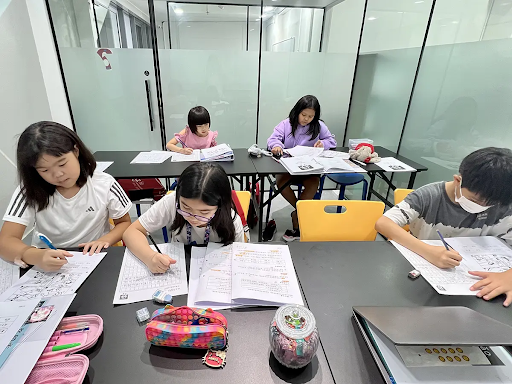
Struggling with Chinese at secondary school is more common than you think. Many students can read a line, struggle with the next, and then feel their confidence drop. Secondary school Chinese tuition offers focused support that fills gaps regular lessons sometimes miss. This guide explains what to expect, how tuition helps, and practical steps to choose the right tutor or centre — all in clear, easy language.
School classes try to teach many students at once. That means teachers move at a set pace and can’t always stop to reteach a single point. In secondary school Chinese tuition, lessons are smaller and more focused. A good tutor finds the exact areas a student struggles with — listening, character writing, grammar, or composition — and targets those.
Tuition also gives structure. Regular, short sessions build skills steadily. Instead of cramming before exams, students practice week by week. That reduces stress and makes progress visible, which helps motivation.
A useful session mixes practice, feedback, and strategy. Here’s a simple checklist of what to expect:
- Warm-up (5–10 minutes): quick reading or speaking drill to get into Chinese mode.
- Core skill work (20–30 minutes): focused practice on one weak point (e.g., grammar patterns or character stroke order).
- Application (15–20 minutes): writing a short paragraph, doing a comprehension exercise, or answering exam-style questions.
- Feedback and action points (5–10 minutes): clear notes on mistakes and one or two goals for the next class.
Sessions that follow this pattern help students practice in a way that mirrors exam demands while building real communication skills.
Picking the right tuition matters more than you might think. Here are practical tips:
- Check experience with secondary curriculum. Tutors who know the exact syllabus and exam formats can give targeted practice.
- Look for clear feedback. A good tutor gives corrections and explains why an answer is wrong, not just marks it out.
- Ask for a trial lesson. A single session shows teaching style, pace, and whether the student responds well.
- Class size matters. One-to-one is best for fast progress; small group classes (3–6 students) work if the tutor offers individual attention.
- Read reviews and ask for results. Word of mouth, parent feedback, and simple before/after examples are helpful signs.
Tuition is powerful, but so is daily practice. Combine both with these simple habits:
- Daily 10-minute reading: pick a short news article or story in Chinese to build vocabulary and fluency.
- Write one paragraph a day: pick a prompt (family, hobby, school) and write 80–120 Chinese characters. Focus on clarity before fancy words.
- Learn characters with meaning groups: instead of memorising single characters, learn related words together (e.g.
- Use voice notes: record short spoken responses to prompts, then listen back. It helps speaking and listening skills.
- Check mistakes immediately: copy wrong answers into a “mistake book” and revise weekly.
Many students think tuition only helps with test scores. Good tuition does that — and more. Tutors teach exam techniques (time management, answering specific question types) and practical language skills that work outside class: clear sentence patterns, polite expressions, and useful vocabulary. These skills make students more confident in oral exams and daily conversations.
If you want a quick plan you can follow with a tutor or on your own, try this:
- Week 1: Assessment + focus on most urgent weakness (e.g., listening).
- Week 2: Build core grammar and character practice; start weekly composition.
- Week 3: Introduce exam-style questions; time-limited practice.
- Week 4: Review mistakes, practise oral exam tasks, and set a longer-term weekly routine.
Small, steady steps beat last-minute cramming every time.
Secondary school Chinese tuition is not only about marks; it’s about building a foundation that lasts. The right tutor helps a student understand where they struggle, gives clear feedback, and teaches study habits that stick. With focused lessons, regular practice, and a bit of patience, progress happens — and confidence grows.
If you’re looking to start, try a trial lesson, set one clear goal (for example: “write a 120-character composition with fewer than five mistakes”), and commit to short daily practice. Small actions, done consistently, make the biggest difference.
Keep an eye for more latest news & updates on Newsross!