 By Charlotte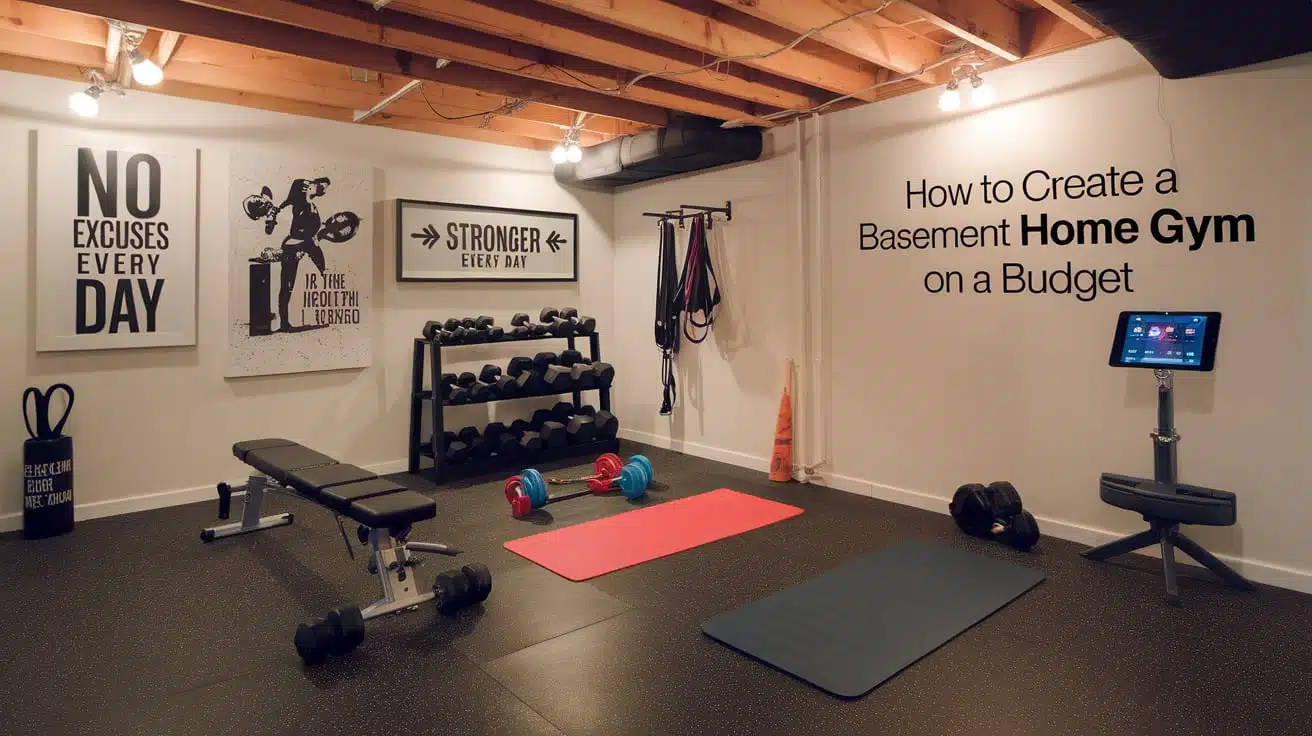
Creating a home gym does not require a large room, expensive machines, or a professional fitness setup. With thoughtful planning and a few essential items, even a small corner of a home can become a comfortable workout area that supports healthy habits and regular exercise.
Many people avoid creating a home gym because they believe they need a spare room, advanced equipment, or a large budget. In reality, a successful workout space depends more on organization, motivation, and choosing equipment that matches personal fitness goals.
A well-designed home gym provides convenience, saves travel time, and makes exercise easier to include in daily routines. Whether you live in an apartment, a small house, or a home with limited available space, a practical fitness area can be created with simple solutions.
Before buying equipment or arranging furniture, determine what type of exercise you want to perform. The design of your gym area should match your fitness needs.
Different goals require different setups.
For strength training, you may need:
- Resistance bands
- Dumbbells
- Adjustable weights
- Exercise benches
For flexibility and relaxation, consider:
- Yoga mats
- Stretching space
- Foam rollers
- Balance equipment
For cardio workouts, useful options include:
- Jump ropes
- Compact cycling equipment
- Step platforms
- Exercise routines using body weight
Understanding your goals prevents unnecessary purchases and helps you create an efficient space.
The best location for a home gym depends on available space and personal preferences.
Possible locations include:
- A spare bedroom
- A corner of the living room
- A garage
- A basement
- A balcony or covered outdoor area
- A section of a bedroom
The area does not need to be large. A small, organized workout corner can be more effective than a large room that feels inconvenient or unused.
Choose a location where you feel comfortable exercising and where distractions are limited.
Limited space requires smart planning. The goal is to create a functional area without making the room feel crowded.
Useful space-saving ideas include:
- Foldable exercise equipment
- Wall-mounted storage
- Vertical shelving
- Multi-purpose furniture
- Compact workout tools
For example, resistance bands can provide many exercises while taking almost no storage space. Adjustable dumbbells can replace multiple sets of traditional weights.
A small area can support a complete workout routine when equipment choices are intentional.
A common mistake is purchasing too much equipment at the beginning. A comfortable home gym does not need every available fitness product.
Start with basic equipment that offers multiple uses.
Useful beginner-friendly items include:
A quality mat provides comfort during stretching, yoga, floor exercises, and strength movements.
Resistance bands are affordable, lightweight, and effective for strength training, mobility exercises, and rehabilitation movements.
Dumbbells are versatile and allow many exercises for different muscle groups.
A jump rope provides an effective cardio workout while requiring very little space.
A stability ball can improve balance, flexibility, and core strength.
Building slowly allows you to understand what equipment you actually need.
The flooring of your home gym affects comfort and safety. Hard floors can be uncomfortable during exercises and may increase the risk of slipping.
Consider adding:
- Rubber workout mats
- Foam tiles
- Exercise flooring
A comfortable surface protects joints, reduces noise, and creates a more professional feeling.
If your gym is located above another room, cushioned flooring can also reduce impact sounds.
A comfortable workout environment requires good lighting and ventilation.
Natural light can improve mood and motivation. If possible, place your workout area near a window.
For artificial lighting:
- Use bright but comfortable lights
- Avoid harsh glare
- Add adjustable lighting if needed
Good airflow is equally important. A fan, open window, or proper ventilation system can make workouts more comfortable.
A hot and poorly ventilated room can reduce motivation and make exercise difficult.
A messy workout area can reduce motivation and create safety problems. Equipment should have a clear storage system.
Helpful organization methods include:
- Wall hooks for resistance bands
- Shelves for small equipment
- Storage baskets
- Racks for weights
- Cabinets for accessories
Keeping equipment visible and accessible encourages regular use, while proper storage keeps the space attractive.
A home gym should feel motivating and enjoyable. Personal touches can improve the atmosphere and make the space feel like your own.
Consider adding:
- Inspirational artwork
- Mirrors
- Plants
- A music system
- A workout schedule board
Mirrors are especially useful because they help check exercise form and make small spaces appear larger.
However, avoid adding too many decorations that create clutter.
Mirrors are a practical addition to a workout area. They provide several benefits:
- Help monitor exercise technique
- Make the room feel more open
- Reflect light
- Create a gym-like atmosphere
A large mirror on one wall can dramatically improve a small exercise area.
When space is limited, the gym area may need to serve multiple purposes.
A corner of a room can function as:
- A workout area
- A stretching zone
- A meditation space
- A relaxation corner
Foldable equipment and organized storage make it easier to convert the area when needed.
For example, a living room corner can become a workout zone in the morning and return to a normal living space afterward.
A comfortable environment can influence exercise consistency. The easier and more enjoyable the workout area feels, the more likely you are to use it regularly.
Small design improvements can help:
- Keep equipment ready
- Maintain cleanliness
- Create a pleasant atmosphere
- Reduce distractions
A home gym should remove barriers between you and exercise.
Safety should always be a priority.
Important considerations include:
- Enough space to move freely
- Secure equipment storage
- Proper lighting
- Stable flooring
- Safe electrical arrangements
Avoid placing equipment where it blocks pathways or creates hazards.
If using heavier equipment, ensure the floor and surrounding area can handle the weight.
Creating a home gym does not have to be expensive.
Affordable approaches include:
- Starting with body-weight exercises
- Buying second-hand equipment
- Using multi-purpose tools
- Creating equipment gradually
- Repurposing available space
Many effective workouts require little more than a mat and basic resistance tools.
The most valuable investment is creating a space that encourages consistency.
Regular maintenance keeps the gym comfortable and safe.
Simple habits include:
- Cleaning equipment after use
- Organizing items regularly
- Checking equipment condition
- Washing mats and accessories
A clean workout area feels more inviting and reduces the spread of bacteria.
Some home gym setups fail because of poor planning.
Common mistakes include:
Buying equipment without knowing how it will be used.
Creating a crowded area that limits movement.
Ignoring ventilation and comfort.
Using poor-quality flooring.
Making the gym difficult to access.
A successful home gym should be simple, practical, and easy to use.
The purpose of a home gym is not to create an impressive-looking room. It is to create a space that helps you maintain healthy habits.
A small, comfortable, and organized workout area can provide more value than a large space filled with unused equipment.
By focusing on your needs, choosing practical equipment, and designing the area carefully, you can create a home gym that supports fitness goals for years.
Building a comfortable home gym in a limited space is possible with smart planning and simple equipment choices. A small corner, spare room, or shared area can become an effective workout environment when it is organized properly.
The most important elements are comfort, accessibility, safety, and motivation. By selecting versatile equipment, improving the layout, and creating an enjoyable atmosphere, homeowners can make exercise a convenient part of everyday life.
A successful home gym is not defined by size or cost. It is defined by how often it helps you move, improve, and maintain a healthier lifestyle.
A home gym does not require a large area. A small corner with enough room for stretching and movement can be enough for many workouts.
Resistance bands, dumbbells, an exercise mat, and a jump rope are some of the most versatile and space-saving options.
Yes. Many effective workouts use body weight, resistance bands, and simple equipment instead of large machines.
Use vertical storage, wall hooks, shelves, and foldable equipment to keep the area organized and save floor space.
Rubber mats and foam flooring are popular choices because they provide comfort, reduce noise, and protect floors.
Keep the area clean, make equipment easily accessible, create a pleasant atmosphere, and establish a regular workout routine.
Yes. A living room can become a temporary workout area using foldable equipment and smart storage solutions.
No. Start with essential equipment and gradually add items based on your fitness goals and workout habits.
 Galileo