 By Charlotte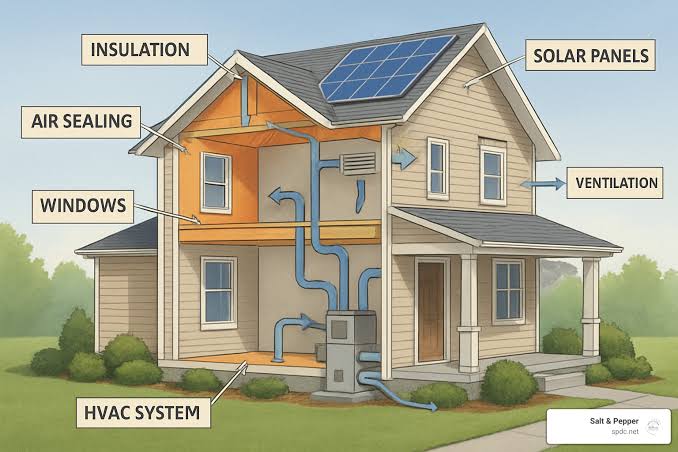
Every homeowner wants a comfortable home that doesn’t come with sky-high energy bills. Rising electricity and heating costs have made energy efficiency more important than ever. The good news is that improving your home’s energy performance doesn’t just reduce monthly utility expenses—it also increases property value, enhances indoor comfort, and reduces your environmental impact.
The challenge is knowing where to invest. Should you replace old windows? Add insulation? Upgrade your roof? Install a high-efficiency HVAC system? Or go all-in with solar panels?
Each improvement offers different benefits, costs, and long-term savings. Some upgrades pay for themselves within a few years, while others deliver value over decades. Understanding how these options compare can help you make smart financial decisions instead of spending money on upgrades that don’t provide the best return.
This guide compares the most effective energy-efficient home improvements, explaining how each works, what it costs, its advantages, and which projects offer the greatest savings.
An energy-efficient home uses less electricity and fuel while maintaining the same level of comfort. Instead of forcing heating and cooling systems to work harder, an efficient home keeps conditioned air inside and unwanted heat or cold outside.
Benefits include:
- Lower monthly utility bills
- Improved indoor comfort throughout the year
- Reduced wear on heating and cooling equipment
- Higher property value
- Better indoor air quality
- Smaller carbon footprint
- Potential tax credits and rebates
Many homeowners focus only on reducing electricity usage, but improving insulation, sealing air leaks, and upgrading building materials often deliver even greater savings.
Before investing in upgrades, it’s helpful to understand how homes waste energy.
Common sources include:
- Poor attic insulation
- Air leaks around windows and doors
- Inefficient HVAC systems
- Old single-pane windows
- Poorly insulated walls
- Aging roofs that absorb excessive heat
- Leaky ductwork
- Inefficient water heaters
- Outdated appliances
An energy audit can identify exactly where your home is losing energy, helping you prioritize improvements.
Windows are one of the most visible home improvements, but they’re also one of the biggest sources of energy loss in older homes.
Single-pane windows allow heat to enter during summer and escape during winter. Modern energy-efficient windows significantly reduce this transfer.
Modern windows often include:
- Double or triple-pane glass
- Low-E (low-emissivity) coatings
- Argon or krypton gas fills
- Insulated frames
- Weather-resistant seals
These features reduce heat transfer while allowing natural light into your home.
Energy-efficient windows provide several benefits:
- Lower heating and cooling costs
- Reduced outside noise
- Increased home comfort
- Less condensation
- Better UV protection for furniture and flooring
Window replacement typically ranges from several hundred dollars per window to premium installations costing much more depending on size, material, and glazing options.
Replacing inefficient windows can reduce heating and cooling costs, particularly in homes with aging single-pane windows.
- Older homes
- Homes with drafty windows
- Regions with extreme temperatures
- Homeowners planning long-term occupancy
Insulation is often considered the most cost-effective energy improvement because it prevents unwanted heat transfer throughout the home.
Without proper insulation, your HVAC system continuously works harder to maintain comfortable indoor temperatures.
Common insulation materials include:
- Fiberglass batts
- Blown-in cellulose
- Spray foam
- Rigid foam boards
- Mineral wool
Each option has different installation methods and thermal performance.
Focus on:
- Attics
- Exterior walls
- Crawl spaces
- Basements
- Garage ceilings
- Floors above unheated spaces
Attic insulation generally provides one of the fastest returns on investment.
Adding insulation offers:
- Lower heating bills
- Reduced cooling costs
- Improved indoor comfort
- Better temperature consistency
- Reduced outside noise
- Longer HVAC lifespan
Costs vary based on insulation type and home size, but attic insulation remains one of the most affordable major energy improvements.
Proper insulation often reduces heating and cooling costs significantly because conditioned air remains inside longer.
Your roof plays a major role in regulating indoor temperatures.
Traditional dark roofing materials absorb sunlight, causing attic temperatures to rise dramatically during summer.
Cool roofing systems are designed to reflect more sunlight and absorb less heat.
Popular options include:
- Reflective asphalt shingles
- Metal roofing
- Clay tiles
- Concrete tiles
- White membrane roofing
- Reflective roof coatings
Energy-efficient roofing helps:
- Lower attic temperatures
- Reduce cooling costs
- Improve indoor comfort
- Extend roof lifespan
- Reduce heat island effects
Energy-efficient roofing generally costs more than standard materials initially but often lasts longer and reduces cooling expenses.
If your existing roof is nearing the end of its life, upgrading to energy-efficient materials provides both structural and financial benefits.
Heating and cooling account for the largest portion of household energy consumption in many homes.
Replacing an outdated HVAC system can dramatically improve efficiency.
Today’s homeowners can choose from:
- High-efficiency central air conditioners
- Variable-speed furnaces
- Heat pumps
- Ductless mini-splits
- Geothermal systems
Each system offers different efficiency levels depending on climate and home size.
When comparing systems, you’ll encounter ratings such as:
- SEER2 for air conditioners
- AFUE for furnaces
- HSPF2 for heat pumps
Higher ratings generally indicate greater efficiency.
New HVAC systems provide:
- Lower energy usage
- More consistent temperatures
- Better humidity control
- Quieter operation
- Improved indoor air quality
HVAC replacement is among the larger home investments, but it often delivers substantial long-term savings, especially when replacing systems over 15 years old.
Even the most efficient HVAC system requires:
- Filter changes
- Annual inspections
- Coil cleaning
- Duct maintenance
- Refrigerant checks
Routine maintenance ensures maximum efficiency throughout the system’s lifespan.
Solar energy has become one of the most popular home improvements for reducing electricity costs.
Rather than simply lowering energy consumption, solar panels generate electricity that offsets power purchased from the utility company.
Photovoltaic panels convert sunlight into electricity.
Power generated during the day may:
- Supply your home’s energy needs
- Charge battery storage
- Be exported to the electrical grid
Many utility companies offer net metering programs that credit homeowners for excess electricity production.
Solar systems provide:
- Significant electricity savings
- Reduced dependence on utilities
- Increased home value
- Renewable energy production
- Protection against rising energy prices
Installation costs have fallen substantially over the past decade, although solar remains one of the larger home improvement investments.
Federal, state, and local incentives may reduce upfront expenses.
Solar works best when:
- Roof receives abundant sunlight
- Roof faces south or southwest
- Minimal tree shading exists
- Roof is in good condition
Each upgrade offers different strengths.
Pros:
- Improves comfort
- Reduces drafts
- Enhances appearance
Cons:
- Moderate to high upfront cost
- Longer payback compared to insulation
Best ROI: Moderate
Pros:
- Affordable
- Fast return
- Significant energy savings
Cons:
- Hidden improvement with little visual impact
Best ROI: Excellent
Pros:
- Reduces summer heat
- Long lifespan
- Improves curb appeal
Cons:
- High installation cost
- Best value when replacing an aging roof
Best ROI: Good
Pros:
- Large energy savings
- Better comfort
- Improved indoor air quality
Cons:
- High upfront investment
- Requires regular maintenance
Best ROI: Excellent if replacing outdated equipment
Pros:
- Major electricity savings
- Renewable energy
- Long-term financial benefits
Cons:
- Higher initial investment
- Savings depend on local sunlight and utility rates
Best ROI: Excellent over long ownership periods
The answer depends on your home’s condition.
For most homeowners:
- Air sealing and insulation
- HVAC replacement
- Smart thermostat installation
- Energy-efficient windows
- Cool roofing
- Solar panels
Many experts recommend improving efficiency first before installing solar. A well-insulated home requires less electricity, allowing a smaller and less expensive solar system.
Not every energy upgrade requires thousands of dollars.
Affordable improvements include:
- LED lighting
- Smart thermostats
- Weatherstripping doors
- Sealing air leaks
- Low-flow showerheads
- Ceiling fans
- Energy-efficient appliances
- Programmable irrigation systems
- Insulated curtains
- Power strips for electronics
These smaller upgrades often provide noticeable savings with minimal investment.
Many governments and utility companies encourage energy-efficient improvements through:
- Tax credits
- Utility rebates
- Low-interest financing
- Energy efficiency grants
- Solar incentives
Research available programs before starting your project since incentives may significantly reduce overall costs.
Rather than selecting projects based solely on popularity, consider your home’s specific needs.
Ask yourself:
- Where is the biggest energy loss?
- Is my HVAC system outdated?
- Does my attic have enough insulation?
- Is my roof nearing replacement age?
- Are my windows drafty?
- Do I plan to stay in this home long enough to recover the investment?
An energy audit provides valuable information that helps prioritize improvements.
Instead of completing every project at once, many homeowners spread upgrades over several years.
A practical plan might look like this:
Year One
Seal air leaks, add attic insulation, install LED lighting, and upgrade to a smart thermostat.
Year Two
Replace an aging HVAC system and improve ductwork.
Year Three
Install energy-efficient windows where needed.
Year Four
Replace the roof using reflective materials if necessary.
Year Five
Install solar panels once overall energy consumption has been reduced.
This staged approach keeps costs manageable while maximizing long-term savings.
Energy-efficient home improvements are among the smartest investments homeowners can make. They reduce monthly utility bills, improve indoor comfort, increase property value, and create a more sustainable living environment.
Insulation and air sealing usually deliver the quickest return on investment, while upgrading an outdated HVAC system can dramatically reduce heating and cooling expenses. Energy-efficient windows enhance comfort and reduce drafts, reflective roofing helps keep homes cooler during hot weather, and solar panels offer long-term electricity savings for homes with good sun exposure.
The best strategy is to evaluate your home’s current performance, prioritize upgrades that address the biggest sources of energy loss, and complete improvements in phases if necessary. By combining multiple energy-saving upgrades, homeowners can enjoy lower utility costs for years while creating a more comfortable, efficient, and valuable home.
 Galileo