 By Charlotte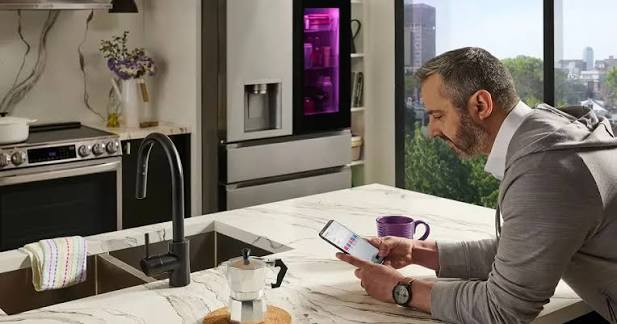
The modern kitchen is no longer just a place for food preparation. It has become a connected living space where technology, design, and convenience work together to create a more efficient cooking experience. With the rise of smart home technology, kitchen appliances are becoming increasingly intelligent, allowing homeowners to automate tasks, monitor cooking processes, reduce energy consumption, and enjoy greater control over their daily routines.
Smart kitchen appliance systems combine advanced sensors, artificial intelligence, wireless connectivity, and automation features to transform traditional kitchens into highly functional and connected environments. From smart refrigerators and intelligent ovens to automated coffee makers and voice-controlled cooking devices, these technologies are changing the way people interact with their kitchens.
As contemporary homes focus on efficiency, sustainability, and personalized experiences, smart kitchen systems are becoming an essential feature for modern cooking spaces.
Traditional kitchen appliances were designed mainly to perform basic functions, but modern smart appliances are built to communicate, learn, and adapt. Connected technology allows appliances to interact with homeowners through smartphones, voice assistants, and integrated home automation platforms.
Modern smart kitchens provide:
- Automated cooking assistance
- Remote appliance control
- Improved energy efficiency
- Better food management
- Personalized cooking experiences
- Enhanced safety features
These advancements make kitchens more convenient while helping homeowners save time and resources.
Smart kitchen appliance systems are connected devices that use digital technology to improve cooking, storage, and kitchen management. These appliances typically include sensors, Wi-Fi connectivity, mobile applications, and intelligent controls.
A connected kitchen may include:
- Smart refrigerators
- Smart ovens
- Intelligent cooktops
- Automated dishwashers
- Smart coffee machines
- Connected ventilation systems
- Voice-controlled appliances
When these devices work together, they create a seamless cooking environment where everyday tasks become simpler and more efficient.
Smart refrigerators are among the most popular connected kitchen appliances. They use advanced technology to improve food storage, organization, and waste reduction.
Modern smart refrigerators may include:
- Internal cameras
- Digital touch displays
- Temperature sensors
- Food tracking systems
- Smart inventory management
- Mobile notifications
Built-in cameras allow homeowners to check refrigerator contents remotely through smartphones. This feature is useful while shopping because users can quickly see available ingredients without opening the refrigerator.
Smart sensors automatically maintain ideal temperatures in different sections, helping preserve food quality and reduce spoilage.
Some smart refrigerators can monitor stored items and remind users when products are nearing expiration, helping reduce unnecessary food waste.
Smart ovens are transforming traditional cooking by providing greater control and precision. These appliances combine heating technology with intelligent sensors to improve cooking results.
Smart oven features include:
- Remote operation
- Automatic cooking programs
- Temperature monitoring
- Recipe guidance
- Voice control
- Self-cleaning functions
Smart ovens can adjust temperature and cooking time based on food type and selected settings. This helps create consistent results even for users with limited cooking experience.
Homeowners can preheat ovens, adjust settings, or check cooking progress through smartphone applications.
Some smart ovens connect with digital recipe platforms and automatically adjust cooking settings according to selected recipes.
Smart cooktops provide advanced control over cooking temperatures and energy usage. These systems use sensors to improve safety and performance.
Common features include:
- Automatic heat adjustment
- Pan detection
- Touch controls
- Safety shutoff
- Cooking timers
Induction smart cooktops are especially popular because they provide fast heating, improved efficiency, and better temperature control.
Modern dishwashers have evolved beyond simple cleaning machines. Smart dishwashers use sensors to optimize water usage, cleaning cycles, and energy consumption.
Features include:
- Automatic load detection
- Smartphone alerts
- Water-saving programs
- Remote operation
- Noise reduction technology
Smart sensors determine the level of cleaning required and adjust the cycle accordingly, preventing unnecessary water and energy usage.
A connected kitchen requires effective air management. Smart ventilation systems automatically monitor cooking conditions and improve indoor air quality.
Advanced ventilation features include:
- Automatic fan adjustment
- Smoke detection
- Air quality monitoring
- Smart scheduling
- Energy-efficient operation
These systems help remove odors, smoke, and excess humidity while maintaining a healthier kitchen environment.
Smart beverage appliances add convenience to daily routines by automating preparation and customization.
Smart coffee machines can provide:
- Scheduled brewing
- Mobile control
- Personalized drink settings
- Automatic cleaning reminders
- Voice operation
Homeowners can prepare coffee remotely or schedule their preferred beverage before starting the day.
Voice technology has become an important part of connected kitchens. Smart appliances can integrate with voice assistants, allowing users to control functions without touching devices.
Voice commands can help with:
- Starting appliances
- Adjusting temperatures
- Setting timers
- Checking cooking progress
- Managing shopping lists
Voice control is especially useful when hands are occupied during cooking.
A connected kitchen becomes more powerful when appliances are managed through a central control system.
Smart kitchen hubs allow homeowners to:
- Monitor multiple appliances
- Create automated routines
- Manage energy usage
- Control devices from one interface
For example, a “cooking mode” setting could activate kitchen lighting, adjust ventilation, and prepare connected appliances automatically.
Smart kitchen technology provides several advantages for modern households.
Automation reduces the amount of manual work required for everyday cooking tasks. Appliances can complete routine actions while homeowners focus on other activities.
Smart appliances optimize electricity and water usage through sensors and intelligent controls.
Energy-saving features include:
- Efficient heating systems
- Automatic standby management
- Optimized cleaning cycles
- Smart temperature regulation
Connected appliances help homeowners organize groceries, track expiration dates, and reduce food waste.
Smart sensors provide better temperature control and cooking consistency, helping users achieve professional-quality results.
Smart appliances include safety features such as:
- Automatic shutoff
- Overheating protection
- Child safety controls
- Remote monitoring
These features create a safer kitchen environment for families.
Modern smart kitchens are increasingly connected with the entire home ecosystem.
Integrated systems can connect appliances with:
- Smart lighting
- Security systems
- Climate control
- Entertainment devices
- Voice assistants
For example, a smart home system can automatically adjust kitchen lighting when someone begins cooking or send alerts if an appliance is left running.
When designing a connected kitchen, homeowners should consider several factors.
Choose appliances that can communicate with existing smart home platforms.
Proper placement improves workflow and allows efficient appliance use.
Most smart appliances require reliable wireless connections.
Selecting efficient appliances helps reduce long-term operating costs.
Complex systems may require expert installation to ensure proper setup and integration.
Artificial intelligence is making kitchen appliances more adaptive and personalized. AI-powered systems can analyze user habits and provide recommendations based on preferences.
Future AI features may include:
- Personalized meal suggestions
- Automatic grocery ordering
- Cooking assistance
- Predictive maintenance alerts
- Learning user routines
AI will continue to make kitchens more responsive and intelligent.
Sustainability is becoming a major focus in modern kitchen design. Smart appliances support environmentally responsible living by reducing waste and improving resource efficiency.
Sustainable features include:
- Energy-saving cooking modes
- Water-efficient dishwashers
- Food waste monitoring
- Efficient refrigeration systems
- Smart energy tracking
These technologies help homeowners create kitchens that are both convenient and environmentally friendly.
Regular maintenance ensures reliable performance and extends appliance lifespan.
Recommended practices include:
- Updating appliance software
- Cleaning sensors regularly
- Checking connectivity
- Maintaining filters
- Following manufacturer guidelines
Smart appliances often provide maintenance reminders, making care easier.
The future of smart kitchens will focus on greater automation, personalization, and sustainability.
Upcoming trends may include:
- AI-powered cooking assistants
- Robotic kitchen helpers
- Fully automated meal preparation
- Advanced food recognition systems
- More efficient energy management
As technology develops, kitchens will become increasingly intelligent spaces that support modern lifestyles.
Smart kitchen appliance systems are transforming traditional cooking spaces into connected, efficient, and highly personalized environments. By combining automation, artificial intelligence, sensors, and wireless technology, modern appliances provide greater convenience, safety, and energy efficiency.
From smart refrigerators and intelligent ovens to connected ventilation systems and voice-controlled devices, these technologies help homeowners create kitchens that are easier to manage and more enjoyable to use.
As smart home adoption continues to grow, connected kitchen systems will become a defining feature of modern residential design, offering a perfect combination of innovation, comfort, and practical everyday functionality.