 By Charlotte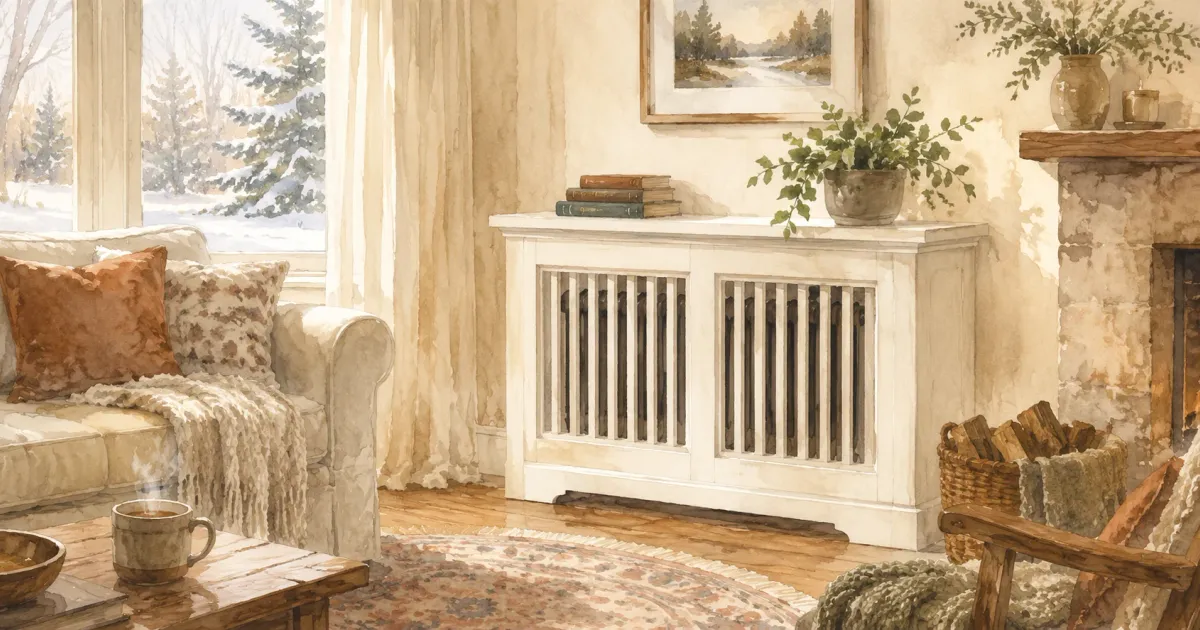
Decorative radiator covers have become a practical way to improve the appearance of modern rooms without removing or replacing existing heating equipment. Traditional radiators are often visually prominent, especially in living rooms, hallways, bedrooms, dining spaces, and home offices. While they provide essential heat, their shape, color, and exposed pipework may not suit a carefully planned interior.
A well-designed radiator cover can make the heating unit feel more integrated with the room. Modern covers are available in timber, MDF, metal, perforated panels, slatted designs, and custom-built finishes that coordinate with furniture, wall colors, flooring, and architectural details.
The best radiator covers combine appearance with airflow. A cover should not block heat unnecessarily or restrict access to valves and controls. When correctly sized and ventilated, it can create a cleaner visual line, hide unattractive pipework, add a useful display surface, and help the radiator blend naturally into contemporary interiors.
Radiators are functional objects, but they are not always designed with interior styling in mind.
Older radiators may have:
- Visible valves
- Exposed pipework
- Worn paint
- Bulky proportions
- Uneven finishes
- Outdated panel designs
In minimalist or coordinated interiors, these details can interrupt the visual flow of a room.
A decorative cover provides a more intentional finish.
It can help the radiator relate to other features such as:
- Built-in cabinetry
- Wall paneling
- Console tables
- Shelving
- Window trims
- Skirting boards
- Furniture finishes
This makes the heating unit feel less like an isolated mechanical element.
The most immediate benefit is visual organization.
A cover creates a defined outer shape around the radiator and hides the irregular lines of pipes, valves, brackets, and metal panels.
This can make a room appear:
- Cleaner
- More balanced
- More coordinated
- More contemporary
- More architectural
In narrow hallways or small bedrooms, a simple cover can also make the wall feel less cluttered.
Minimalist radiator covers usually feature straight lines, flat surfaces, and restrained detailing.
Popular designs include:
- Narrow vertical slats
- Simple horizontal vents
- Clean rectangular frames
- Handle-free access panels
- Plain matte finishes
These designs work particularly well in modern apartments and contemporary family homes.
Common colors include:
- White
- Warm gray
- Charcoal
- Black
- Soft beige
- Natural wood tones
A minimalist cover should visually disappear into the room rather than dominate it.
Slatted designs are among the most popular modern options because they combine airflow with a clean architectural appearance.
The front panel may use:
- Vertical timber battens
- Horizontal slats
- Painted MDF strips
- Metal blades
The spaces between the slats allow warm air to circulate.
Vertical slats can make a low radiator appear taller and more elegant.
They work especially well with modern wall paneling because the same vertical rhythm can be repeated elsewhere in the room.
Horizontal slats emphasize width and can make a radiator feel visually lower and less intrusive.
They suit modern interiors with wide furniture, low media units, or horizontal wall detailing.
Perforated panels provide another effective combination of airflow and decoration.
The front surface may use:
- Small circular holes
- Geometric cutouts
- Diamond patterns
- Decorative metal mesh
- Laser-cut motifs
Perforated panels can give the cover a lighter appearance than solid cabinetry.
They are especially useful in rooms where the radiator needs to remain visually subtle.
Metal covers can create a more industrial or architectural appearance.
Common materials include:
- Powder-coated steel
- Aluminum
- Perforated metal
- Expanded metal mesh
Metal is durable and can be formed into thin profiles.
This makes it suitable for compact modern designs.
Black, graphite, bronze, and brushed metallic finishes can pair well with:
- Black-framed windows
- Industrial lighting
- Metal furniture
- Dark door hardware
- Concrete-look walls
Wood brings warmth to rooms that otherwise contain hard or neutral materials.
A wooden radiator cover can coordinate with:
- Oak flooring
- Timber furniture
- Wall battens
- Shelving
- Kitchen cabinetry
Popular finishes include:
- Natural oak
- Walnut
- Ash
- Light pine
- Painted timber
Natural wood should be selected and finished carefully because repeated exposure to heat can affect some materials.
Proper ventilation is also important to reduce heat buildup inside the cover.
MDF is widely used because it is relatively affordable and easy to shape.
It can be painted in nearly any interior color.
Modern MDF covers may include:
- Slatted fronts
- Routed ventilation slots
- Decorative cutouts
- Smooth painted frames
Moisture-resistant grades may be preferable in certain locations, but product suitability should always be checked.
MDF works particularly well when the cover needs to match existing:
- Wall paint
- Built-in furniture
- Skirting boards
- Cabinetry
White remains one of the most common choices because it blends easily with walls and trim.
A white cover can visually reduce the presence of the radiator, especially when the surrounding wall is also white or off-white.
This approach suits:
- Minimalist rooms
- Scandinavian interiors
- Modern family homes
- Small bedrooms
- Bright hallways
A matte or satin finish usually creates a softer appearance than high gloss.
Black radiator covers create a more deliberate architectural feature.
They work well in interiors with:
- Black doors
- Dark shelving
- Black window frames
- Charcoal walls
- Industrial lighting
A black cover can look particularly effective against light-colored walls.
However, it becomes a focal point rather than disappearing visually, so it should be used intentionally.
Wood-look radiator covers are useful when homeowners want natural warmth without using solid timber.
They may use:
- Veneered MDF
- Laminate
- Engineered wood
- Wood-effect finishes
These surfaces can coordinate with modern furniture and flooring more easily than painted metal radiators.
Light oak and walnut are especially popular in contemporary interiors.
A built-in cover can make the radiator appear to be part of the architecture.
Instead of simply placing a freestanding unit in front of the radiator, cabinetry can be designed around it.
This can include:
- Shelving
- Window seats
- Storage cabinets
- Display surfaces
- Wall paneling
The heating unit becomes one component within a larger design.
Built-in solutions are particularly useful in living rooms, dining rooms, and large hallways.
Many decorative covers include a top shelf.
This can provide space for:
- Small decorative objects
- Framed photographs
- Artwork
- Books
- Plants suitable for the location
The shelf should not be overloaded or used for items that may be damaged by heat.
Heat-sensitive electronics, candles, or delicate materials should generally be kept away from hot surfaces.
In hallways and living areas, a deep radiator cover can sometimes function visually like a console table.
A carefully designed top surface may support lightweight decorative items while hiding the radiator below.
This can be useful where floor space is limited.
The design should still maintain adequate airflow around the heating unit.
Radiators are frequently installed beneath windows because this location can help counter cold downdrafts.
A cover in this position should be designed carefully.
Warm air needs to rise efficiently.
The top should therefore include suitable openings or allow heat to move upward rather than trapping it inside.
Covers can also be coordinated with:
- Window sills
- Curtains
- Blinds
- Wall trims
Painting the radiator cover the same color as the wall can make it visually recede.
This approach is ideal when the goal is subtle integration.
For example:
Beige wall + beige radiator cover
or
Soft gray wall + gray cover
creates a seamless effect.
The result is especially effective in minimalist spaces with limited contrast.
A contrasting finish can turn the radiator cover into a design feature.
Examples include:
- White wall with black cover
- Warm beige wall with walnut cover
- Dark green wall with brass-accented cover
- Gray wall with natural oak cover
Contrast works best when the same finish appears elsewhere in the room.
This prevents the radiator cover from looking accidental.
Radiator covers can be integrated into wall paneling for a more custom appearance.
Vertical slat walls, shaker panels, and modern molding can continue around or above the cover.
This creates visual continuity.
The ventilation openings should still remain functional.
Living rooms benefit from radiator covers because the heating unit is often visible from several angles.
A cover can help coordinate the radiator with:
- TV units
- Sofas
- Coffee tables
- Built-in shelving
- Curtains
In luxury interiors, custom cabinetry around a radiator can make the wall appear much more finished.
Bedrooms usually benefit from simpler and softer designs.
Popular choices include:
- White slatted covers
- Light oak finishes
- Soft gray painted MDF
- Minimal perforated fronts
A radiator cover can help make the room feel calmer by reducing visual clutter.
It can also prevent clothing or bedding from directly touching the radiator, although safe clearances are still necessary.
Hallways often contain exposed radiators because wall space is limited.
A slim cover can make a major visual difference.
It can create a more welcoming entrance while also hiding pipework.
Narrow covers with shallow shelves are particularly useful in small entrance areas.
Dining spaces benefit from radiator covers that coordinate with sideboards, tables, and cabinetry.
Natural wood or painted finishes can help the heating unit feel like part of the furniture scheme.
The top surface may also provide limited display space.
A radiator cover should never be treated as purely decorative.
Heating performance and safety remain important.
The design should provide:
- Adequate front ventilation
- Suitable top ventilation
- Access to valves
- Clearance around the radiator
- Heat-resistant materials
Manufacturer guidance should be followed where available.
Radiators heat rooms partly through convection.
Cooler air moves toward the lower area of the radiator, warms, and rises.
A poorly designed cover can interrupt this process.
Good covers usually include:
- Lower air openings
- Large front ventilation areas
- Open or vented top sections
The exact design depends on radiator type.
A highly decorative solid box with small openings may look attractive but can reduce heating performance.
They can if poorly designed.
A cover that blocks airflow or traps heat may reduce the rate at which warmth enters the room.
However, a well-ventilated cover with adequate clearances can limit this impact.
Performance depends on:
- Cover depth
- Vent size
- Radiator position
- Material
- Distance from the radiator
Homeowners should avoid enclosing radiators too tightly.
Thermostatic radiator valves need suitable access and airflow.
If the valve is trapped inside a hot enclosed cover, it may sense an artificially high temperature and reduce heating too soon.
Some installations position thermostatic heads outside the enclosure or use remote sensors.
The correct arrangement depends on the heating system.
Curtains should not be allowed to fall directly against a hot radiator or block airflow.
If a cover is installed beneath a window, curtain length should be planned carefully.
Possible approaches include:
- Curtains ending above the cover
- Full-length curtains positioned clear of the radiator
- Roman blinds
- Roller blinds
Window treatments and radiator covers should be designed together.
Families with young children sometimes use covers to reduce direct access to hot radiator surfaces.
However, the cover itself may still become warm.
It should not be assumed to eliminate burn risk completely.
Child-friendly designs should avoid:
- Sharp corners
- Unstable panels
- Easily removable parts
- Large finger traps
Wall fixing may also improve stability.
Pets may sit near radiators because they enjoy warm areas.
A secure cover can reduce direct contact with metal surfaces, but ventilation openings should not be blocked by pet beds or furniture.
Loose mesh or fragile decorative inserts should also be avoided where pets may scratch or push against them.
Accurate measurements are essential.
The cover should be larger than the radiator itself.
Measurements should include:
- Radiator width
- Radiator height
- Radiator depth
- Valve projection
- Pipe locations
Additional clearance is needed around the heating unit for airflow.
Custom-built covers can accommodate unusual pipework more neatly than standard sizes.
Freestanding covers are easier to install and remove.
They can be useful in rental properties or rooms where permanent changes are not desirable.
Wall-fixed covers provide a more integrated appearance and may be more stable.
They are better suited to custom interiors and family spaces where movement needs to be minimized.
Custom covers provide the greatest design flexibility.
They can be built to match:
- Exact wall dimensions
- Cabinetry
- Paneling
- Furniture
- Window sills
They are especially useful for unusually shaped radiators or long heating units.
Custom work also allows ventilation patterns to become part of the design.
Laser-cut panels can create intricate modern patterns.
Popular options include:
- Geometric shapes
- Repeating circles
- Abstract patterns
- Minimal linear designs
These inserts may be made from metal, MDF, or composite materials.
Patterns should remain open enough to allow proper heat movement.
Cane and woven-style radiator covers can introduce texture and warmth.
They work well in:
- Bohemian interiors
- Scandinavian rooms
- Natural contemporary spaces
Synthetic cane-style materials may offer better consistency around heated areas than some delicate natural products.
Material suitability should always be checked.
Radiator covers collect dust over time.
Regular cleaning helps maintain both appearance and airflow.
Maintenance may include:
- Dusting front panels
- Vacuuming ventilation slots
- Wiping shelves
- Cleaning behind removable covers
- Checking fasteners
The radiator itself should also remain accessible for cleaning.
Dust buildup can reduce heat transfer and contribute to indoor air circulation of particles.
Several design mistakes can reduce both appearance and performance.
Common problems include:
- Choosing a cover that is too small
- Blocking airflow
- Hiding thermostatic controls
- Using heat-sensitive materials
- Installing curtains directly over vents
- Ignoring pipe access
- Selecting a style unrelated to the room
A successful design should treat the radiator cover as both furniture and heating equipment enclosure.
Yes. They can hide unattractive radiators, valves, and pipes while creating a cleaner, more coordinated appearance.
Poorly designed covers can reduce heat output. Properly ventilated covers with sufficient clearance allow better airflow.
MDF, timber, and metal are common options. The best choice depends on design, budget, ventilation, and heat resistance.
Yes. Many MDF and timber covers can be painted to match walls, trim, or furniture.
They can reduce direct access to hot radiator surfaces, but the cover itself can become warm and should be designed with safe edges and secure fixing.
It is generally better to leave space around the cover so airflow is not restricted.
In many designs, yes. Warm air needs a clear path into the room, so top ventilation is important.
Decorative radiator covers can significantly improve the appearance of modern interiors by turning exposed heating equipment into a more coordinated architectural feature. Slatted panels, perforated fronts, natural wood finishes, painted MDF, and metal designs can all help radiators blend with contemporary furniture and wall treatments.
The most successful covers do more than hide the radiator. They coordinate with the room, provide useful visual structure, allow access to controls, and maintain effective heat circulation.
Homeowners should prioritize airflow, clearance, safe materials, and access alongside color and style. Matching the cover with walls creates a subtle appearance, while contrasting timber or dark finishes can turn it into a stronger design element.
With careful planning, a decorative radiator cover can make a living room, hallway, bedroom, or dining space feel more polished without sacrificing the practical heating function that the radiator provides.