 By Charlotte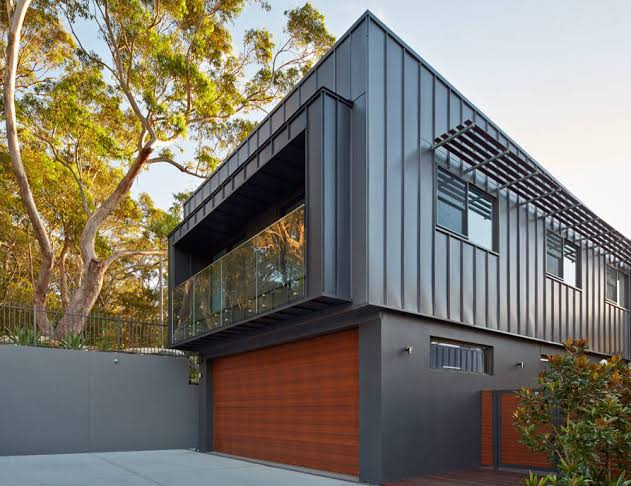
The exterior appearance of a home creates the first impression and plays an important role in defining its overall architectural identity. Modern homeowners are increasingly focusing on exterior designs that combine beauty, durability, and protection. Decorative exterior wall cladding has become one of the most popular solutions for creating stylish house facades while improving the performance of exterior walls.
Exterior wall cladding is not only used for decoration; it also provides additional protection against weather conditions, moisture, heat, and environmental damage. With advancements in construction materials, homeowners now have a wide variety of cladding options that can transform ordinary walls into impressive architectural features.
From natural stone finishes and wooden panels to modern composite materials and metal designs, decorative wall cladding allows homeowners to customize the appearance of their houses while improving long-term durability. The right cladding choice can enhance curb appeal, increase property value, and create a modern exterior that reflects personal style.
The exterior walls of a house are constantly exposed to sunlight, rain, dust, humidity, and temperature changes. Over time, these factors can affect paint finishes, wall surfaces, and overall appearance.
Decorative wall cladding creates an additional protective layer that helps reduce the impact of outdoor conditions. At the same time, it gives homeowners an opportunity to introduce textures, colors, and patterns that improve the architectural character of the property.
Modern exterior cladding provides several advantages:
- Enhances the visual appeal of house facades
- Protects exterior walls from weather damage
- Improves insulation performance
- Reduces maintenance requirements
- Adds texture and depth to designs
- Increases the perceived value of the property
A well-designed facade with quality cladding materials can completely transform the appearance of a home.
Selecting the right cladding material requires careful planning because different materials offer different levels of durability, maintenance, and appearance.
Homeowners should consider:
- Local climate conditions
- Maintenance requirements
- Installation cost
- Architectural style
- Material lifespan
- Color and texture preferences
A material suitable for a dry climate may not perform the same way in areas with heavy rainfall or humidity. Choosing according to environmental conditions ensures better long-term performance.
Natural stone cladding is one of the most timeless options for creating a premium exterior appearance. Stone has been used in architecture for centuries because of its strength, natural beauty, and durability.
Stone cladding can create a sophisticated and high-end look that works well with both traditional and modern house designs.
Popular natural stone options include:
- Granite
- Slate
- Sandstone
- Marble
- Limestone
Each stone type offers unique colors, textures, and patterns, allowing homeowners to create customized exterior designs.
Natural stone provides:
- Exceptional durability
- Natural weather resistance
- Unique appearance
- Luxury visual appeal
- Long service life
Although stone cladding can require a higher initial investment, its durability and timeless appearance make it a valuable choice for premium homes.
Wooden wall cladding has become increasingly popular in modern architecture because it creates a warm and natural appearance. Wood adds texture and softness to exterior designs while creating a connection between the home and nature.
Modern wooden cladding options include:
- Natural timber panels
- Treated wood boards
- Engineered wood cladding
- Composite wood finishes
Wood cladding works particularly well with contemporary homes featuring large windows, minimalist shapes, and natural landscaping.
Wood provides:
- Warm aesthetic appeal
- Natural texture
- Modern architectural character
- Excellent design flexibility
However, exterior wood requires proper treatment and maintenance to protect it from moisture, insects, and weather damage.
Composite cladding materials are designed to provide the appearance of natural materials while offering improved durability and easier maintenance.
These materials are commonly made from combinations of wood fibers, plastics, and protective compounds.
Composite cladding is popular because it provides:
- Resistance against moisture
- Reduced maintenance needs
- Better color stability
- Long-lasting performance
It is an excellent choice for homeowners who want a stylish facade without frequent maintenance.
Brick cladding remains a popular choice because of its classic appearance and reliable durability. Modern brick veneers allow homeowners to achieve the look of traditional brick construction without using full brick walls.
Brick cladding works well for:
- Modern farmhouse designs
- Traditional homes
- Industrial-style architecture
- Contemporary facades
The natural texture of brick creates depth and character while providing excellent weather resistance.
Brick offers:
- Long lifespan
- Low maintenance
- Natural insulation properties
- Timeless appearance
- Resistance to weather conditions
Brick cladding continues to remain popular because it combines practicality with visual appeal.
Metal cladding has become a major trend in modern architecture due to its clean appearance and industrial aesthetic. Materials such as aluminum, steel, and zinc are commonly used for contemporary house exteriors.
Metal panels can create sleek and minimalist facades while offering excellent durability.
Popular metal finishes include:
- Matte black panels
- Brushed aluminum
- Metallic textures
- Standing seam designs
Metal cladding is especially suitable for modern homes with simple geometric designs.
Metal provides:
- Strong weather resistance
- Modern appearance
- Low maintenance
- Lightweight installation
- Long-term durability
Proper coatings help protect metal surfaces from corrosion and fading.
Fiber cement cladding is becoming increasingly popular because it combines strength, durability, and design flexibility.
It is made from cement, cellulose fibers, and other materials that create a strong exterior surface.
Fiber cement panels can imitate the appearance of:
- Wood
- Stone
- Concrete
This allows homeowners to achieve premium looks at a more affordable cost.
Fiber cement offers:
- Fire resistance
- Moisture resistance
- Low maintenance
- Long lifespan
- Multiple design options
It is suitable for modern residential projects where durability is a priority.
Concrete finishes are widely used in modern architecture because they create a strong and minimalist appearance. Decorative concrete cladding can give homes an industrial yet sophisticated look.
Concrete-style facades work well with:
- Large glass windows
- Metal accents
- Modern landscaping
- Minimalist designs
Modern concrete panels are available in lightweight forms, making installation easier compared to traditional concrete construction.
Three-dimensional wall panels are an innovative option for homeowners who want unique facade designs. These panels create depth, patterns, and visual interest on exterior walls.
They are commonly used for:
- Entrance walls
- Feature sections
- Balcony areas
- Front facade highlights
3D panels allow designers to create artistic exterior features without completely changing the structure of the home.
Many modern homes combine multiple cladding materials to create a more dynamic appearance. Mixing textures allows architects and homeowners to highlight different areas of the facade.
Popular combinations include:
- Wood and stone
- Metal and concrete
- Brick and wood
- Stone and glass
A combination approach creates contrast and adds architectural depth.
For example, wooden panels can add warmth while stone sections create strength and luxury. This balance creates a more visually attractive exterior design.
Besides improving appearance, some cladding systems can contribute to better thermal performance. Certain materials help reduce heat transfer and improve indoor comfort.
Energy-efficient cladding can help:
- Reduce indoor temperature fluctuations
- Improve insulation performance
- Lower cooling and heating requirements
This makes decorative cladding not only a design feature but also a practical home improvement investment.
Proper maintenance helps preserve the appearance and performance of exterior cladding materials.
General maintenance practices include:
- Regular cleaning of surfaces
- Removing dirt and moisture buildup
- Inspecting joints and connections
- Repairing damaged sections quickly
- Following manufacturer care recommendations
Different materials require different maintenance levels. For example, natural wood may need sealing, while metal and composite materials usually require less care.
The best cladding option depends on the design goals, budget, and environmental conditions of the property.
Homeowners should evaluate:
- Desired architectural style
- Expected maintenance level
- Local weather conditions
- Material durability
- Installation requirements
Luxury homes may benefit from natural stone or premium wood, while homeowners seeking affordable durability may prefer fiber cement or composite options.
Decorative exterior wall cladding options provide an effective way to improve modern house facades while adding protection and long-term value. Whether using natural stone, wood, metal, brick, composite, or fiber cement materials, homeowners can create unique exterior designs that reflect their personal style.
A well-planned cladding system enhances curb appeal, improves durability, and helps create a home exterior that remains attractive for many years. With the wide range of modern materials available today, exterior wall cladding has become an essential element of contemporary residential architecture.